Park Home Insulation
The Prestige cavity wall re-cladding and coating system brings exterior wall finishes and performance in line with the latest home specifications. All works are carried out to BS3632 standards. The latest cladding materials specified are guaranteed rot proof and have a certified Class 1 spread of fire rating, which means reduced maintenance costs and added peace of mind.
Call for a free no-obligation quotation
Types of Park Home Insulation

QUALITY AND SERVICE YOU CAN TRUST
From the UK’s leading park home refurbishment experts
Benefits of Park Home Insulation
The superior specifications and materials used can reduce heating energy costs by up to 50% and virtually eliminate damp and condensation in the cavity wall. Additionally the exterior appearance of the home is transformed resulting in an increased value to the property.
Damp and poor insulation are the major factors affecting park homes. Water, condensation and dampness will result in damage to the structure of the property if left unattended. Sub standard insulation can also be the cause of these conditions and will certainly impact on your living comfort levels and your heating costs.
All installations are carried out by our own experienced and skilled engineers so you can be confident that all work is carried out to the highest standards and is guaranteed.
The workmanship and materials used will virtually ensure your home remains free from damp and condensation, and will increase insulation levels significantly which will reflect in your heating and energy costs.
Please feel free to contact us for further information about external insulation for park homes.
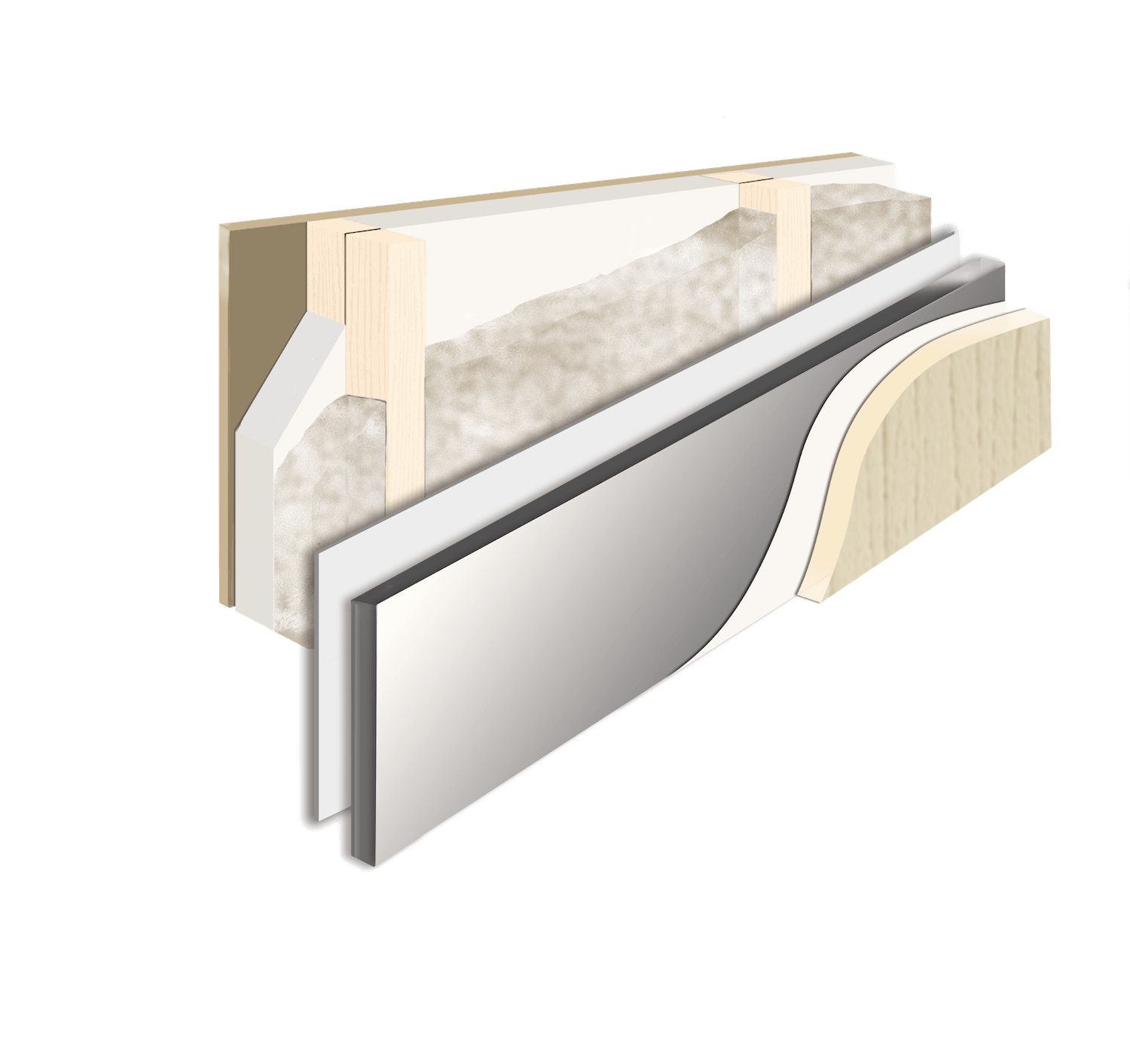
4mm Plywood
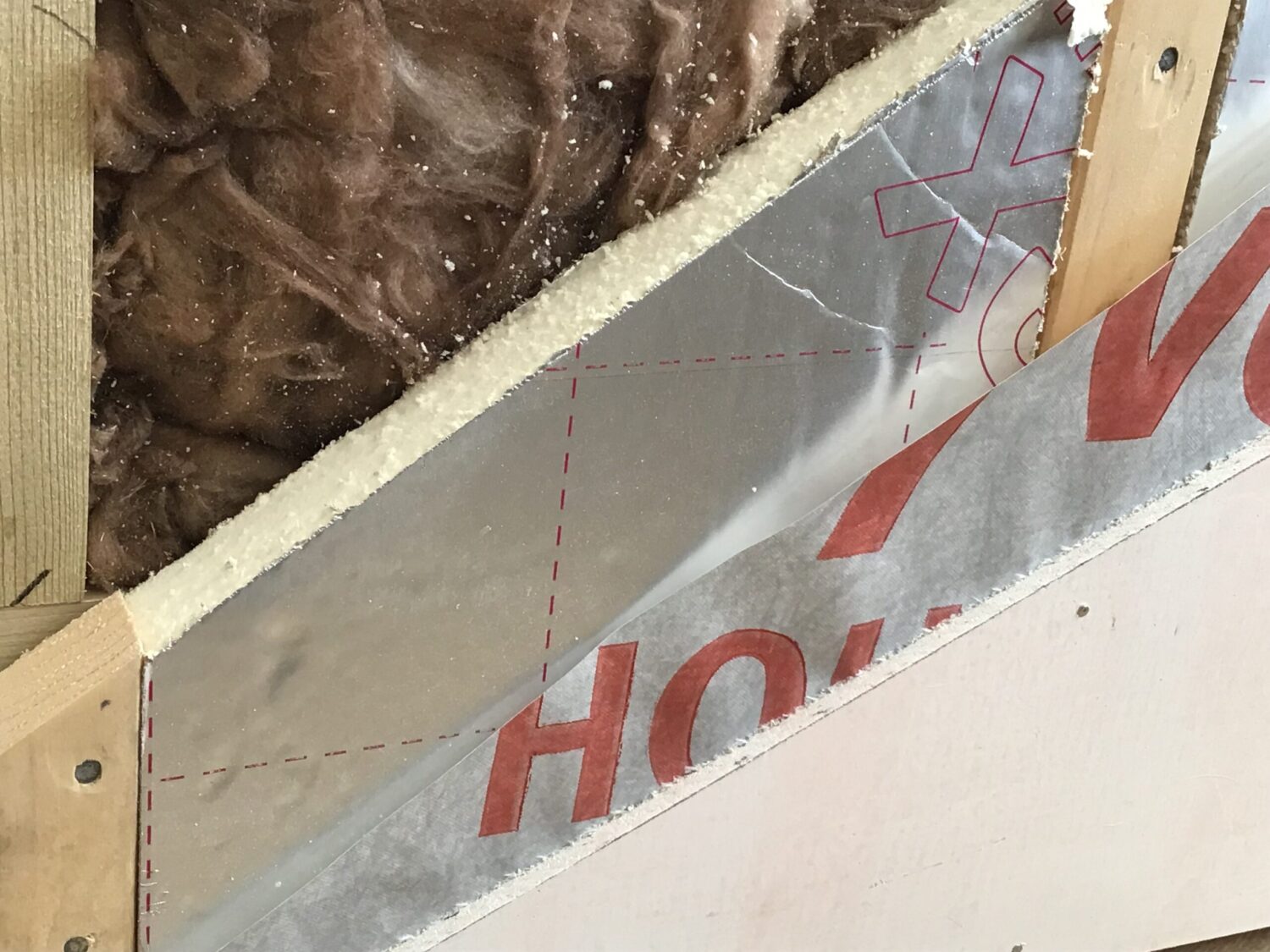
2mm x 45mm original timber stud with fibreglass polystyrene insulation.
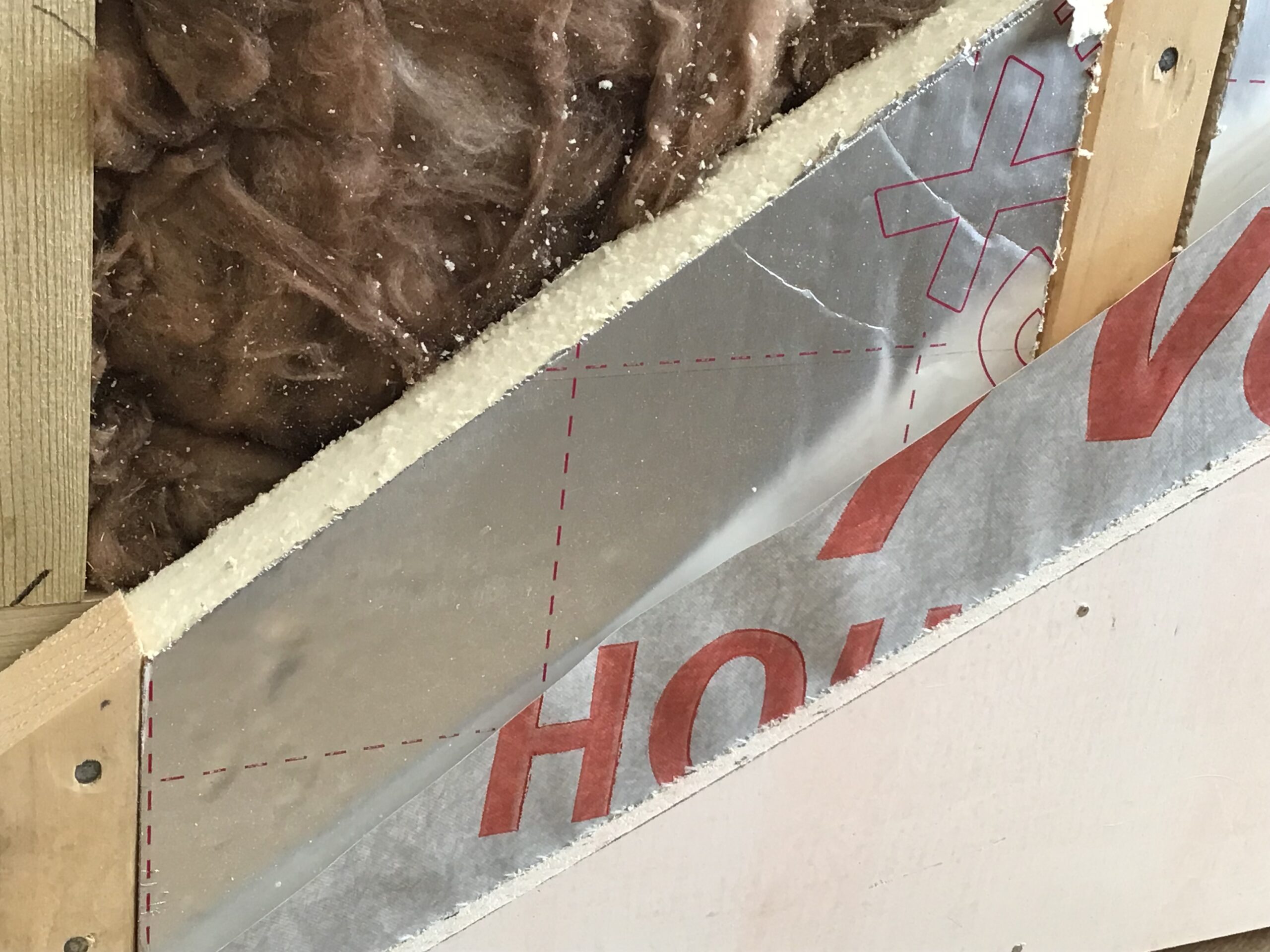
Additional 30mm timber stud with 30mm Celotex insulation.
Breather membrane
Multi-Pro XS
Primer sealer
Textured coating
FAQs About Park Home Insulation
Can you insulate an existing park home?
Yes, in most cases you can insulate an existing park home, and it can make a big difference to warmth, comfort and energy efficiency. The right approach depends on the home’s age, condition and how it’s constructed, so we normally recommend a quick assessment before advising the best upgrade.
What’s the best insulation for a park home?
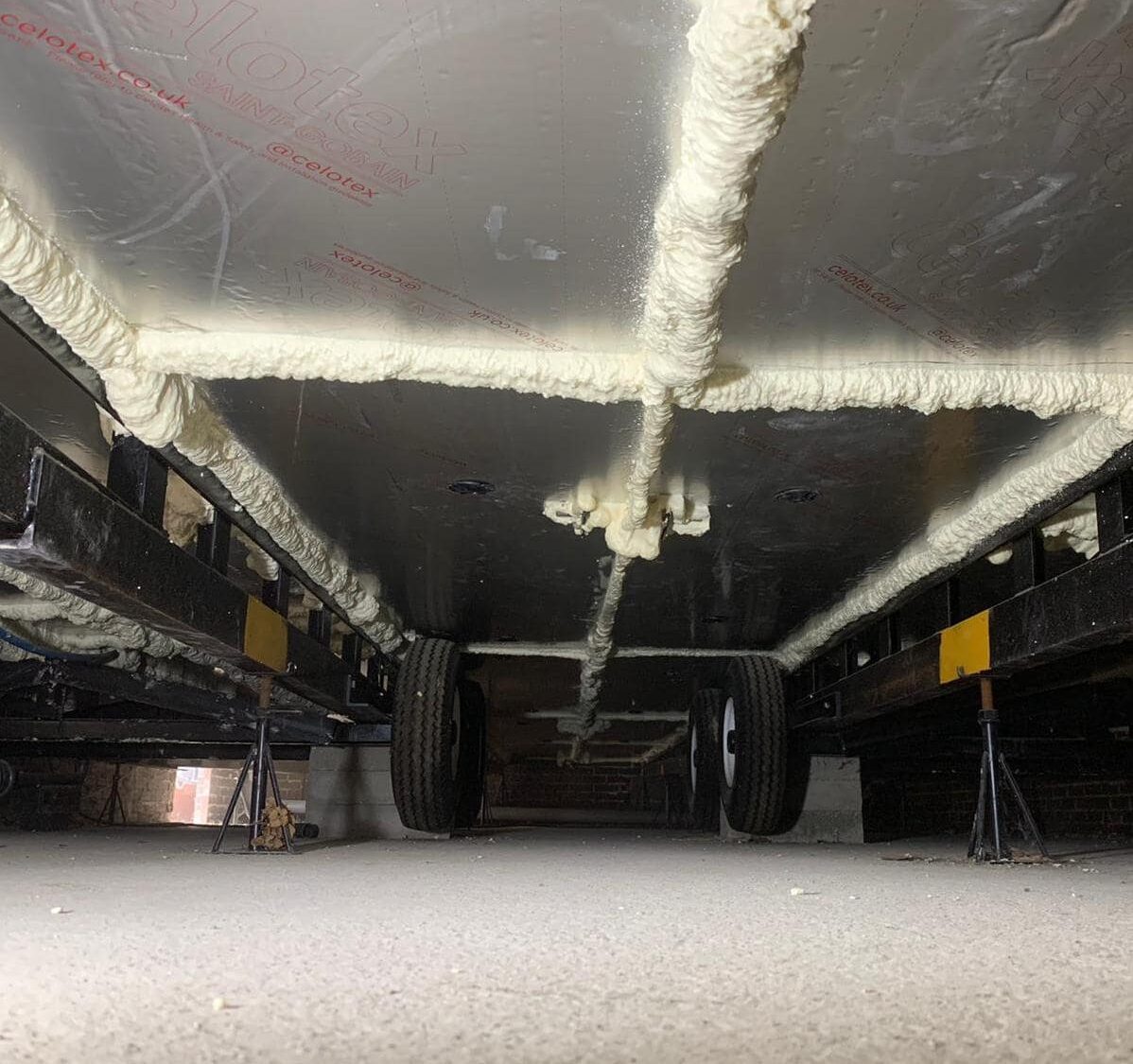
There isn’t one “best” option for every home. In practice, the best insulation plan is usually the one that improves comfort without creating condensation issues. For many park homes, wall insulation is a strong starting point, then underfloor insulation for draught reduction and cold floors, with roof insulation considered as part of a wider roof upgrade where appropriate.
Which should you insulate first: walls or underfloor?
In many cases, walls are the best first step, because they can deliver a noticeable improvement and help stabilise internal temperatures. Underfloor insulation is often especially beneficial for older homes (commonly 20+ years) or where cold floors and draughts are a major issue. The right order depends on what symptoms you’re seeing and what access is available.
Can park home insulation cause condensation or damp?
It can, if insulation is installed in a way that traps moisture inside the structure or reduces ventilation. That’s why the method matters as much as the material. A proper install should improve the home’s environment, not seal problems in. If you’ve already got condensation, mould or damp patches, it’s important to address the cause and choose an insulation approach that supports correct ventilation.
Do you need to remove the existing wall covering before insulating?
Often, yes. Removing the existing wall covering allows the stud structure to be exposed so the condition can be checked properly. This helps identify damaged timbers, missing insulation or moisture issues before a new system is installed. Skipping this step can risk trapping rotten material or moisture inside the walls, which may lead to damp and mould showing internally later.
Is underfloor insulation worth it on a park home?
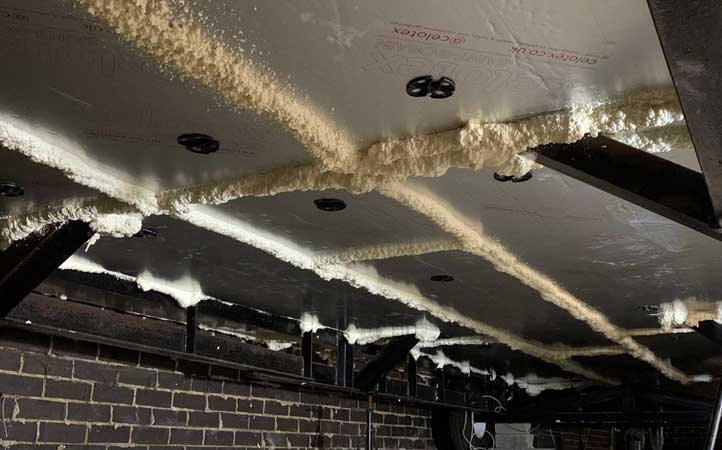
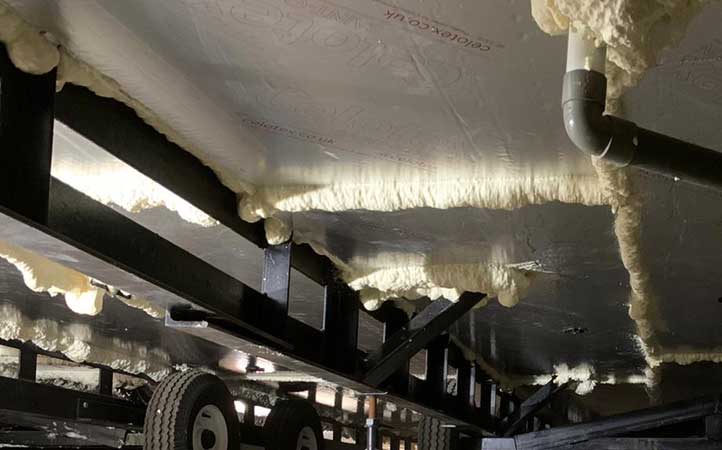
If you have cold floors, draughts or rooms that never feel warm, underfloor insulation can be one of the most noticeable comfort upgrades. A good underfloor system should be securely fixed and properly sealed to prevent gaps and draughts, that’s what makes the difference long-term.
Do you recommend insulation blankets under park homes?
Generally, no. Underfloor “blanket” systems are commonly stapled and taped, and in real-world conditions those fixings and joints can fail over time. A rigid, properly secured insulation board system is typically more durable and effective for reducing draughts and maintaining performance.
Do I need roof insulation, and should it be done with a roof upgrade?
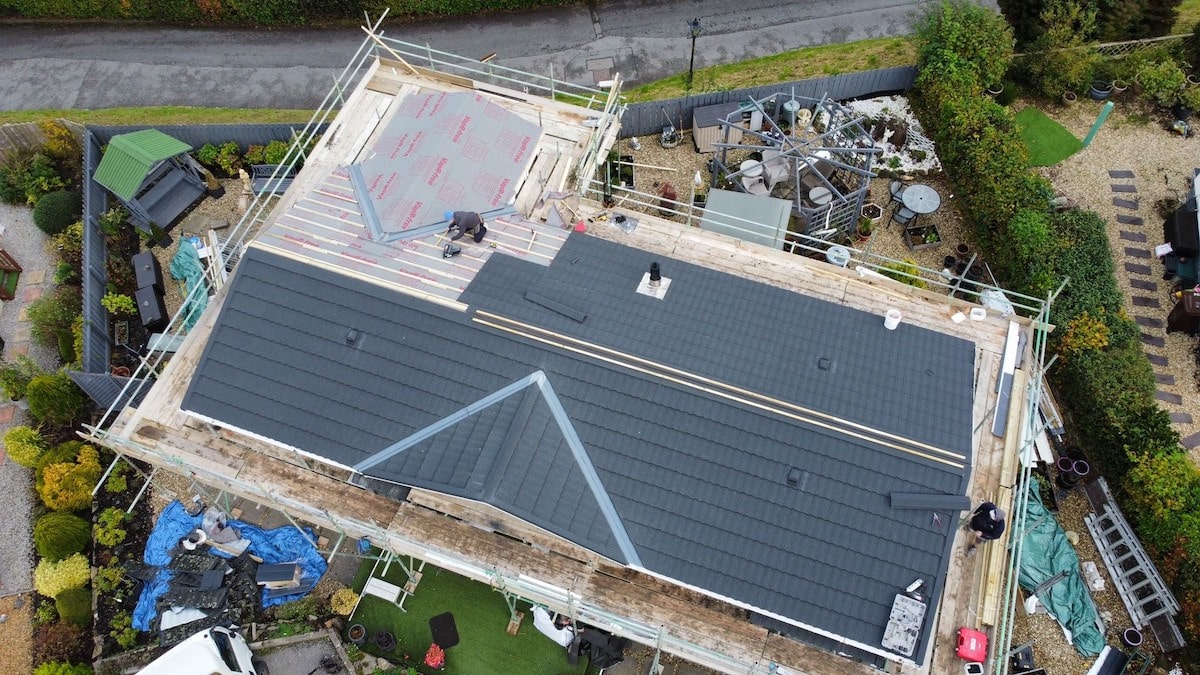
Roof insulation can help, but it needs to be done carefully. In many cases it’s best installed alongside a roof upgrade, because insulation can contribute to condensation issues if the roof build-up and ventilation aren’t right. Treating the roof as a complete system (covering, ventilation, insulation and moisture control) is usually the safest long-term approach.
How long does park home insulation take?
Timescales vary depending on the size of the home, the type of insulation being installed and whether any remedial work is needed first. After an assessment, we can advise the most realistic timeline based on your home and the scope of work.
How much does park home insulation cost?
Costs depend on the insulation type (walls, underfloor, roof), the home’s size and access, and whether any repairs are needed once the structure is exposed. The most accurate way to price insulation is to assess the home’s condition and recommend the right method, that way you’re not paying for a “quick fix” that causes problems later.
What areas do you cover for park home insulation?
Coverage can vary depending on the type of work required. If you share your location and what you’re looking to improve (cold floors, condensation, damp, etc.), we can confirm availability and the best next step.