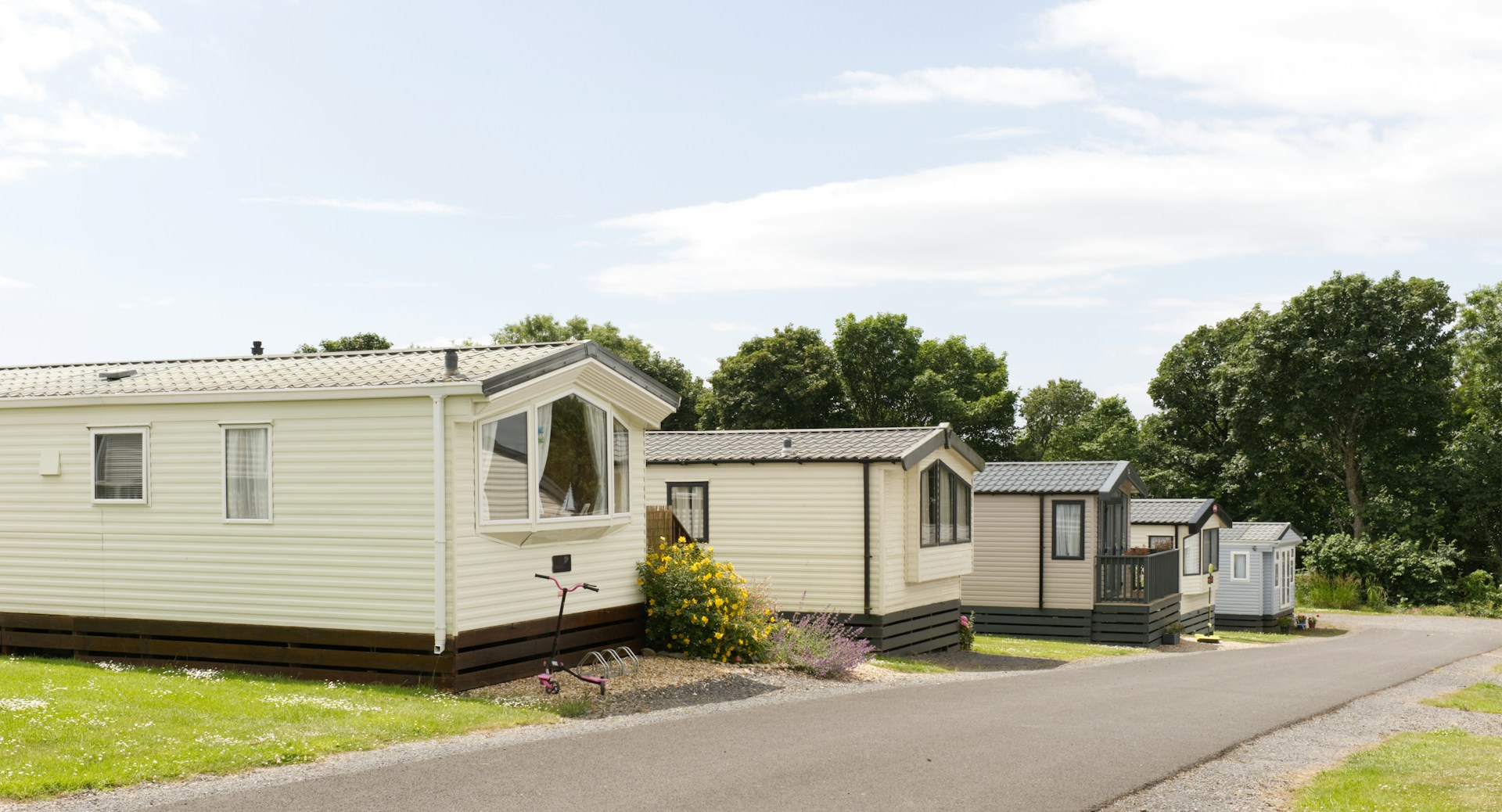
Park homes are built to be low-maintenance, but no home is maintenance-free. Because of their construction, timber frames, lightweight roofing, and a raised position off the ground, park homes develop a specific set of issues that differ from bricks-and-mortar houses. Catching these early is the difference between a quick, affordable fix and a much bigger repair bill down the line.
Here are the park home maintenance problems we’re called out for most often, and what you can do about each one.
1. Roof Leaks and Water Ingress
Flat or shallow-pitched roofs are common on older park homes, and they’re more prone to pooling water and membrane wear than a traditional pitched roof. Watch for:
- Damp patches or discolouration on ceilings, especially after heavy rain
- Sagging felt or visible cracks in roofing material
- Water stains around roof lights or vents
The fix: Small membrane damage can often be patch-repaired, but persistent leaks usually point to a roof that’s reached the end of its life and needs recovering. If you’re seeing recurring leaks, it’s worth having a proper roof survey before winter rather than patching the same spot repeatedly.
2. Damp and Condensation
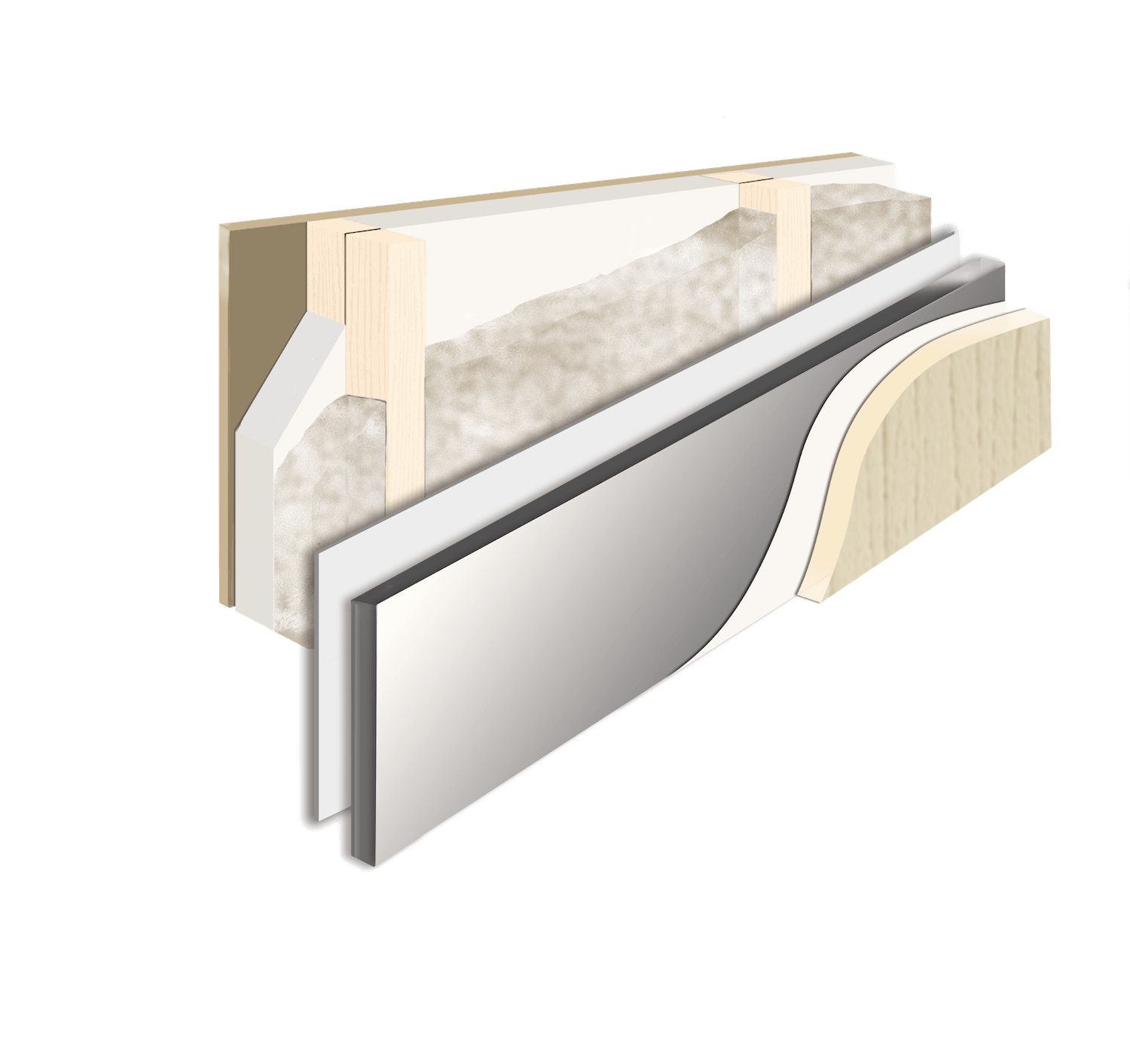
Park homes are well insulated but can be less naturally ventilated than a house, which means condensation build-up, particularly in kitchens, bathrooms, and any north-facing rooms, is one of the most common calls we get.
- Black mould spots on walls or around window frames
- A persistent musty smell
- Moisture on the inside of windows in the morning
The fix: In mild cases, improving ventilation (trickle vents, extractor fans, dehumidifiers) resolves it. Where damp is more established, it’s usually linked to insulation gaps or a ventilation issue that needs addressing at source rather than just treated on the surface.
3. Draughty or Sticking Windows and Doors
Timber and uPVC frames both move over time as a home settles or as seals age.
- Visible daylight around a closed window or door
- Windows that are difficult to open or close
- A noticeable draught even with everything shut
The fix: Often it’s as simple as replacing worn seals or adjusting hinges. Where frames have warped or seals have failed throughout the home, replacement is usually more cost-effective long-term than repeated repairs.
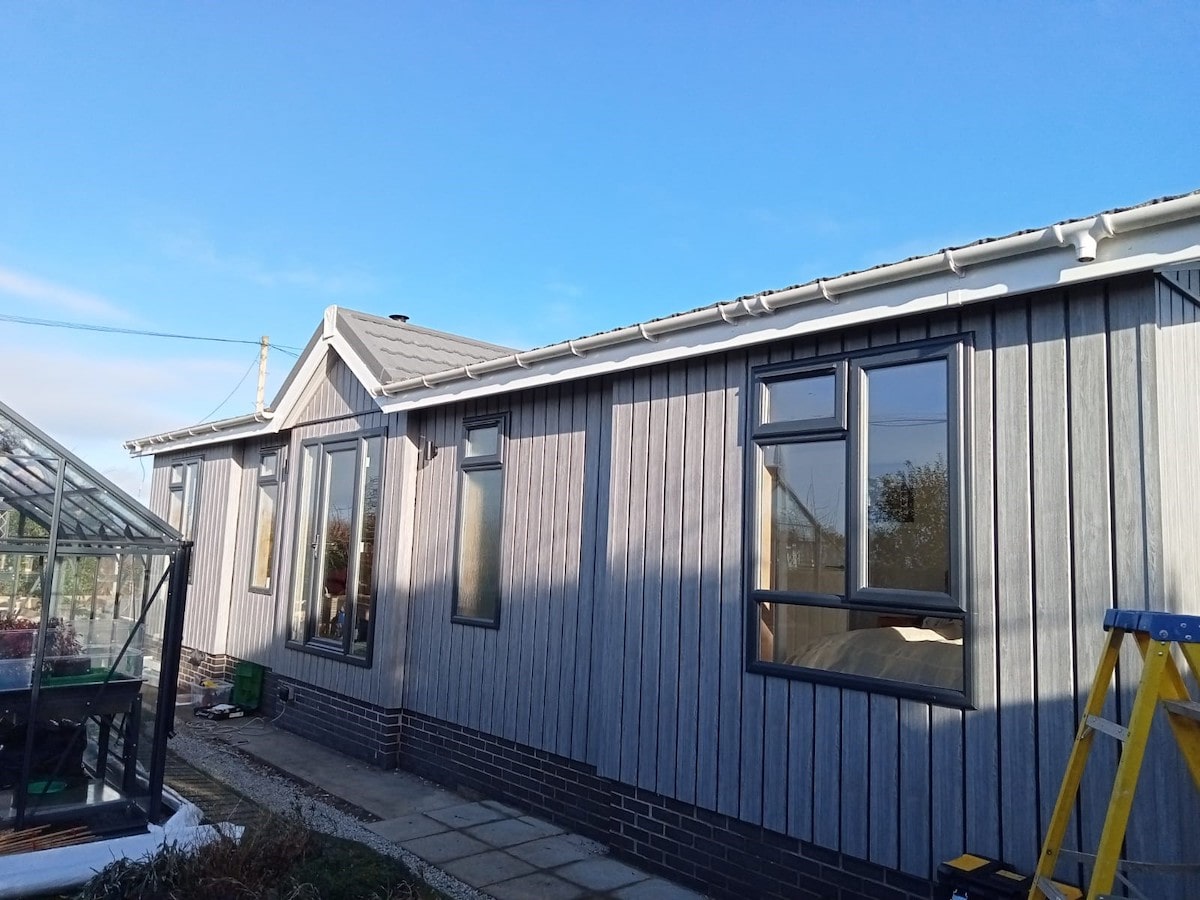
4. Cladding and Exterior Panel Damage
External cladding takes the brunt of weather exposure, and damage here is often more cosmetic than structural, but left unchecked, it can let moisture behind the panels.
- Cracked, warped, or discoloured panels
- Panels coming loose at the edges
- Visible gaps at joints
The fix: Individual panels can usually be replaced without re-cladding the whole home, provided it’s caught early. Wider deterioration across the exterior is a sign it may be time to consider a full re-clad.
5. Plumbing and Heating Issues
Because pipework often runs beneath the home in a skirted void, plumbing problems can go unnoticed until they cause visible damage.
- Reduced water pressure
- Unexplained damp patches on flooring
- Higher-than-usual heating bills
The fix: An annual check of pipework and the underfloor space catches most issues before they become serious. Insulating exposed pipes also reduces the risk of freezing and bursting in winter.
6. Skirting and Base Damage
The skirting around the base of a park home protects the underfloor void from weather and pests, but it’s also low to the ground and easily knocked or weathered.
- Cracks or gaps in the skirting panels
- Signs of pest access underneath the home
- Skirting pulling away from the base
The fix: Damaged sections can typically be replaced individually. It’s worth checking skirting annually, as small gaps here are one of the easiest routes for damp and pests to get in.
When to Call in a Professional
Most of the issues above start small and are manageable with routine attention, but if you’re seeing more than one of these at once, or a problem keeps recurring after a repair, it’s usually a sign of an underlying issue rather than wear and tear. A proper inspection at that point saves money over time.
If you’d like a clear picture of what any of these repairs typically cost, our maintenance and repair cost guide breaks it down by job. And if you’re dealing with one of the issues above right now, our park home maintenance and repair services page covers how we can help, from a single repair to a full inspection.
Get in touch today for friendly, no-obligation advice, or explore our full range of park home services to find the right support for your home.