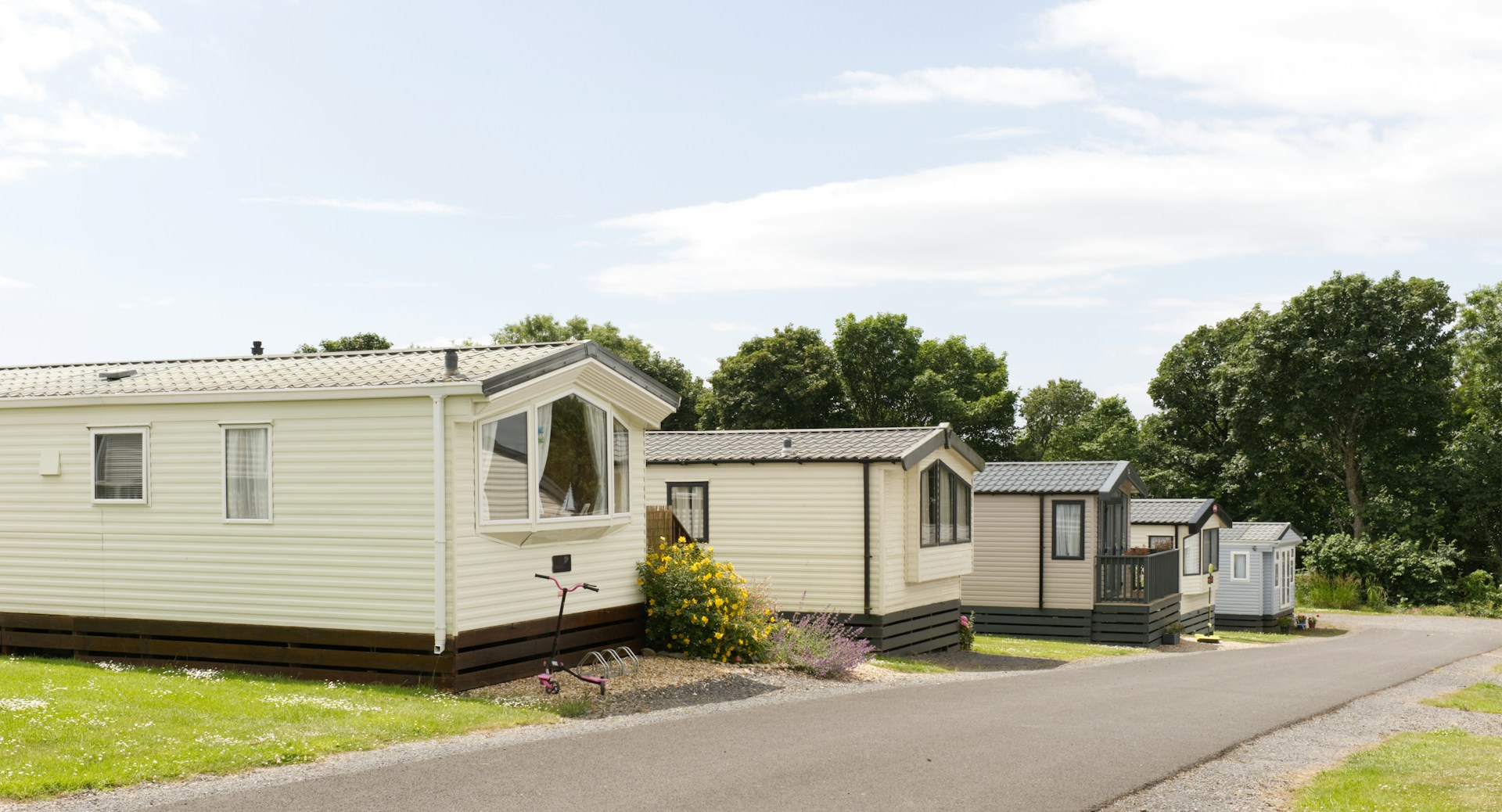
Park home maintenance is one of those things that’s easy to put off, until a small issue turns into an expensive one. Unlike a traditional house, a park home sits above the ground on a chassis, is more exposed to the elements on all sides, and relies on a handful of key areas (roof, skirting, cladding, windows) working together to keep the whole structure protected.
The good news is that most park home maintenance isn’t complicated. It’s about knowing what to check, how often to check it, and catching small problems while they’re still small. This guide walks through everything you need to know to keep your park home in good condition year-round.
Why Regular Maintenance Matters for Park Homes
Park homes are built differently to bricks-and-mortar houses, and that means they age differently too. Because they sit on a chassis with an air gap underneath, and because their external walls and roofs are often lighter-weight than a standard house, small amounts of neglect can show up faster; think draughts, damp patches, or a chassis that’s started to corrode.
Regular maintenance isn’t just about keeping things looking tidy. It protects the long-term structure of your home, helps you avoid larger repair bills down the line, and keeps your home comfortable and efficient to run. Many of the bigger, costlier issues we see (structural damp, chassis corrosion, failed roof coverings) started out as minor, fixable problems that simply went unnoticed for too long.
How Often Should You Be Maintaining a Park Home?
There’s no single answer, since it depends on your home’s age, its exposure to weather, and what materials it’s built from. That said, a simple rhythm works well for most owners:
- Monthly – Quick visual checks: gutters, obvious damp patches, anything that looks different from last time.
- Twice a year (spring and autumn) – A more thorough walk-round covering roof, skirting, windows, and underfloor areas.
- Annually – A full inspection, ideally including anywhere hard to reach, like the chassis or roof space.
- After severe weather – Storms, heavy snow, or prolonged heavy rain are worth a check-up on their own, regardless of where you are in the yearly cycle.
If you’re ever unsure whether something is normal wear or the start of a bigger issue, a professional park home survey can give you a clear, structural picture of where your home stands.
A Room-by-Room and Area-by-Area Checklist
Roof and Guttering
The roof takes the brunt of the weather, so it’s worth prioritising. Look out for:
- Cracked, lifted, or missing roof panels
- Blocked or sagging guttering
- Signs of pooling water after rain
- Moss or algae build-up, which can hold moisture against the roof surface
Skirting and Underfloor
Skirting isn’t just cosmetic, it protects the underside of your home from wind, damp, and pests. Check for:
- Gaps, cracks, or loose panels
- Signs of damp or discolouration near the base of the home
- Good airflow underneath (ventilation here matters more than people expect)
Chassis and Structure
The chassis is the backbone of your home, so it deserves proper attention at least once a year. Watch for:
- Rust or corrosion on metal components
- Uneven levelling, which can indicate movement or settling
- Any sagging or unevenness in floors, which can be a sign of chassis issues
A specialist chassis inspection is worth considering if your home is older or you’ve noticed any of the above.
Windows and Doors
Windows and doors are one of the most common sources of draughts and heat loss. Check for:
- Condensation between panes (a sign of a failed seal)
- Draughts around frames
- Doors that no longer close flush or lock smoothly
If glazing is underperforming, it’s often more effective to look at replacement uPVC windows than to keep patching an ageing frame.
Walls and Cladding
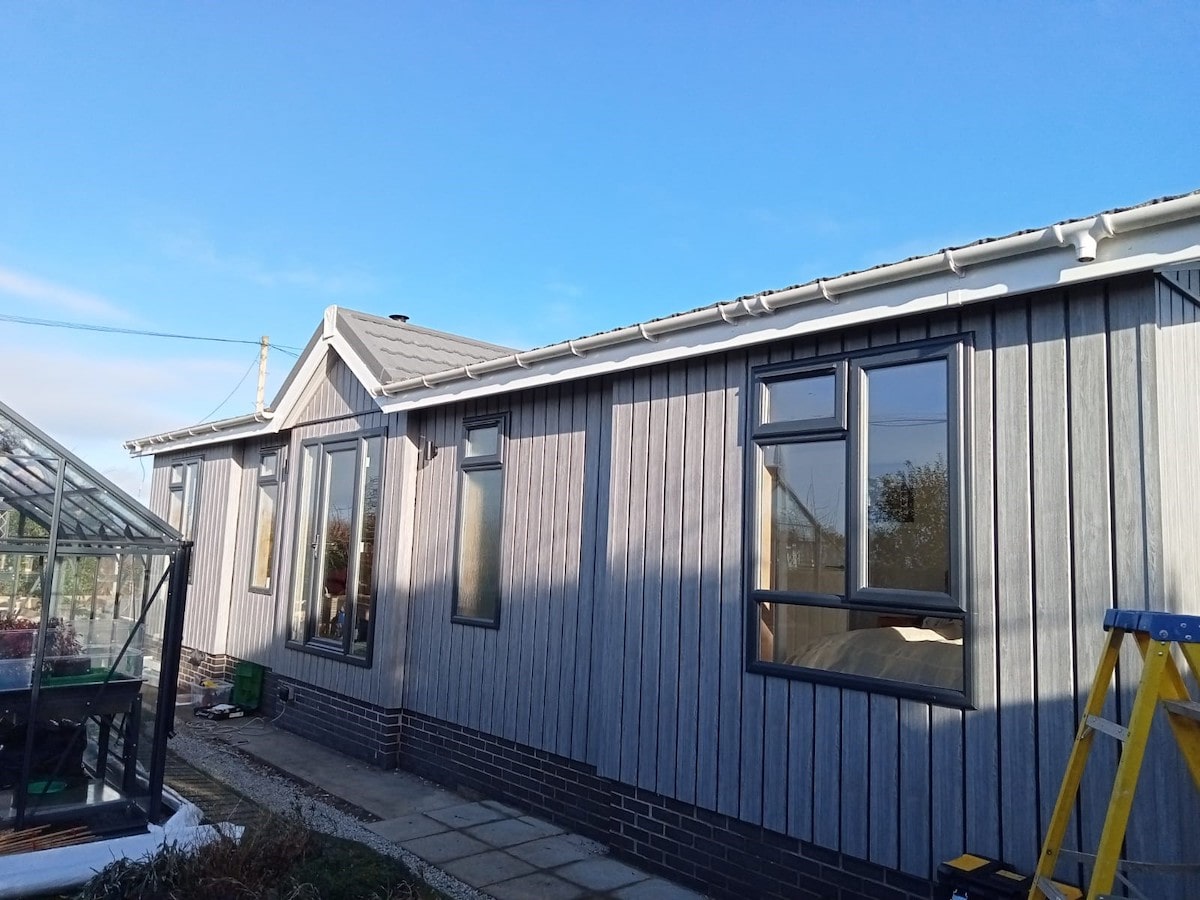
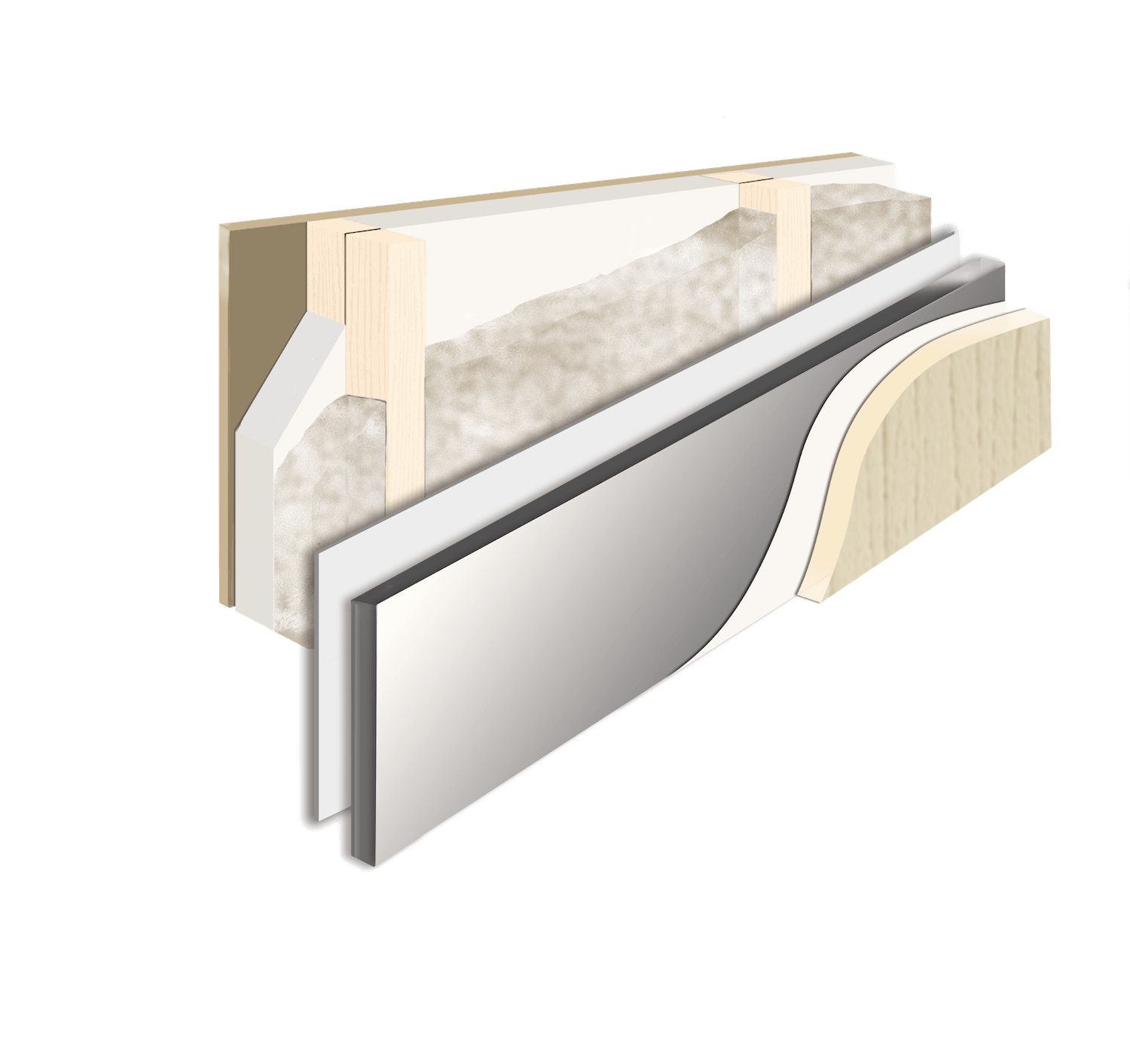
External cladding protects your home from the weather and plays a big role in how well it holds heat. Look for:
- Cracking, warping, or discolouration
- Areas where panels have come loose
- Any soft or damp-feeling sections, which can indicate moisture getting behind the cladding
Well-maintained cladding can significantly extend the lifespan of your home’s exterior.
Interior: Damp and Condensation
Inside the home, damp and condensation are usually the first visible sign that something outside needs attention. Keep an eye on:
- Musty smells, especially in cupboards or corners
- Black mould spots around windows or in bathrooms
- Peeling wallpaper or paint
Seasonal Maintenance: What Changes Throughout the Year
- Spring – Check for winter damage: roof, guttering, and skirting are the priority after months of cold and rain.
- Summer – A good time for exterior work like cladding or painting, since conditions are more forgiving for external improvements.
- Autumn – Clear gutters and check seals before winter sets in; this is your last real opportunity before the weather turns.
- Winter – Focus on monitoring rather than major work: watch for draughts, condensation, and any signs of water ingress during storms.
Signs Your Park Home Needs More Than Routine Maintenance
Most issues can be caught early with the checks above, but some signs point to something more significant:
- Persistent damp that keeps returning despite ventilation
- Visible movement, sagging, or unevenness in the structure
- Rust that’s spread beyond the surface on chassis components
- Recurring issues in the same area, even after repairs
If any of these sound familiar, it’s worth getting a professional opinion rather than continuing to patch the same problem. Our guide on signs your park home needs repair versus routine maintenance covers this in more detail.
DIY Maintenance vs Calling in a Specialist
Plenty of maintenance tasks are perfectly manageable yourself, clearing gutters, checking seals, general visual inspections. Where it’s usually worth bringing in a specialist is anything structural (chassis, roofing), anything involving working at height, or anything where you’re not confident diagnosing the cause of a problem like damp or draughts. Getting a professional opinion early is almost always cheaper in the long run than guessing and getting it wrong.
Keep Your Park Home in Great Condition, Year-Round
A well-maintained park home isn’t just more comfortable to live in, it holds its value better and avoids the kind of surprise repairs that catch owners off guard. Whether you’re due a seasonal check-up or you’ve spotted something that doesn’t look quite right, our team at Prestige Developments has years of experience keeping park homes across the UK in top condition.
Before you spend money on cooling appliances, focus on preventing heat gain. If you stop the sun and warm air entering your home in the first place, every room will feel noticeably more comfortable.
- Close curtains and blinds during peak sun hours (typically late morning to early evening). If you have rooms that face south or west, prioritise these.
- Use reflective or thermal-lined curtains where possible. They can reduce radiant heat from sunlight.
- Create shade outside: awnings, pergolas, external blinds, or even well-placed planting can cut down solar gain significantly.
These changes are inexpensive and immediate, but they’re even more powerful when paired with the right building improvements.
Get in touch today for friendly, no-obligation advice, or explore our full range of park home services to find the right support for your home.