If your park home feels cold in winter, takes too long to warm up, or never seems to hold heat for very long, it is natural to start looking into where you can find the best insulation for park homes.
The difficulty is that park homes do not behave like traditional brick-built houses. The wrong insulation method can sometimes create new problems, especially condensation and damp. This is why the “best insulation for park homes” is not simply the thickest material you can fit. It is the approach that improves comfort without trapping moisture.
In our experience, the best results come from a solid, well-fitted insulation system that works alongside the home’s ventilation.
What is the best insulation for park homes?
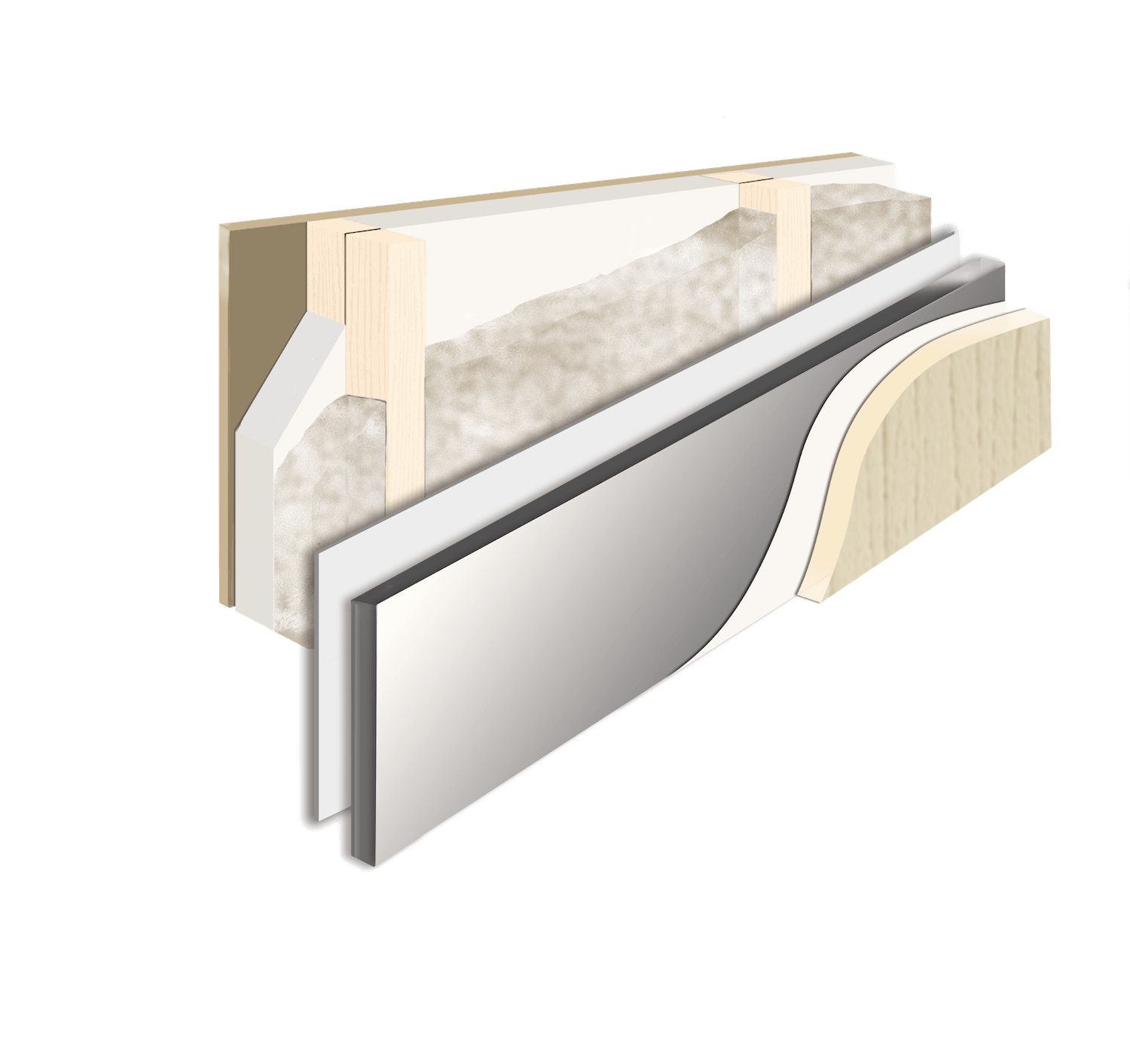
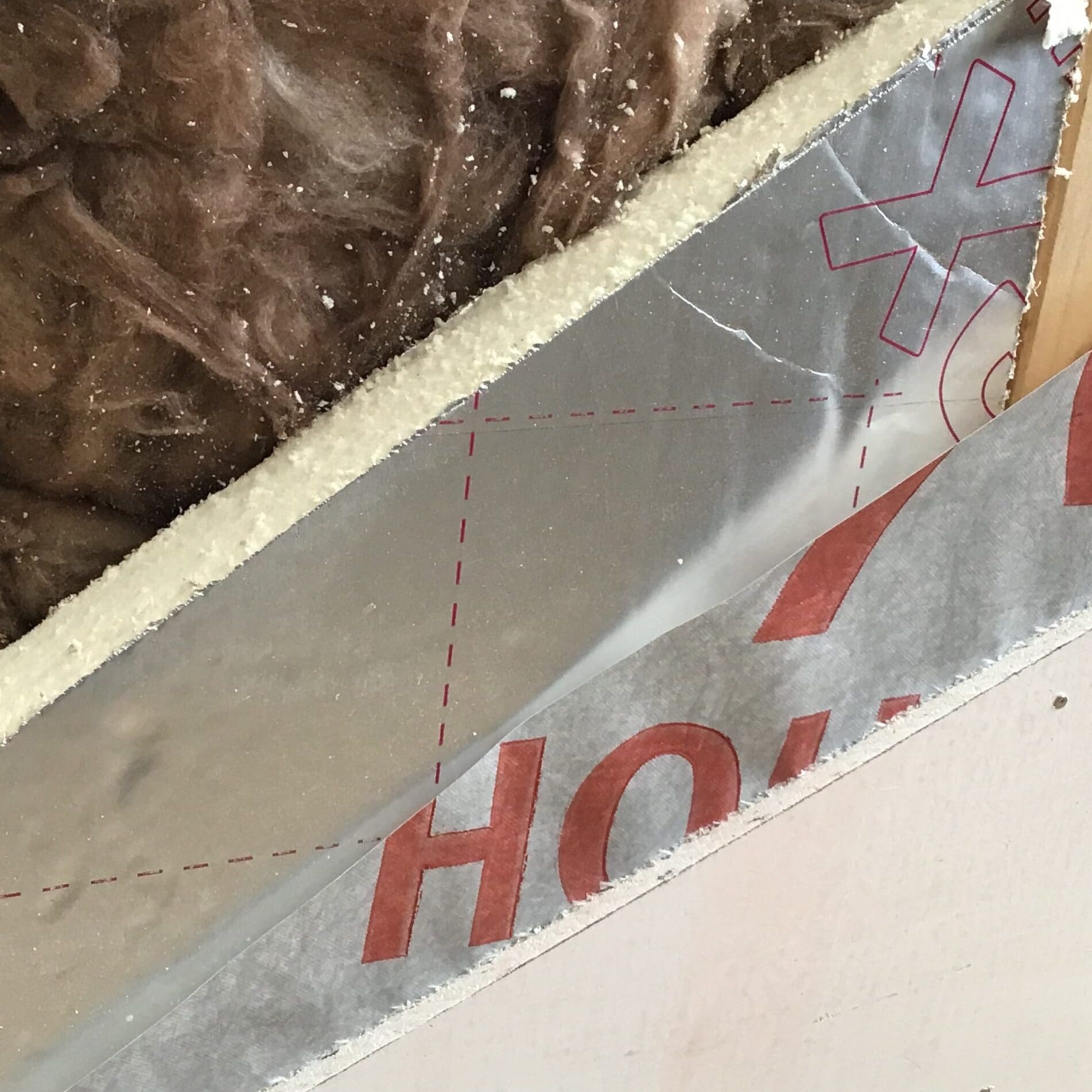
In most cases, the best insulation for park homes is solid core, foil-backed insulation installed correctly as part of a wall build-up that includes a breathable membrane.
A common best-practice method is to strip the existing outer wall boards and restructure the wall so it can properly house the insulation. When done correctly, this approach can be designed to conform to current BS3632 insulation standards.
Just as importantly, the home should be assessed for ventilation at the same time. It is possible to over-insulate a park home or effectively “suffocate” it if airflow and moisture control are not considered. This can lead to the home “sweating” and developing internal damp issues.
Why park homes need a different insulation approach
Park homes are typically constructed differently from masonry buildings. Many are timber-framed, with wall and floor structures that rely on the right balance of insulation and ventilation.
If insulation is installed in a way that blocks breathability, traps moisture, or creates cold bridging, you may end up with:
- Persistent condensation on windows and cold surfaces
- Damp patches or mould growth
- A musty smell that does not go away
- Rooms that still feel cold despite “having insulation”
This is why we always treat insulation as a system, not a single product. The goal is to improve thermal performance while still allowing the home to manage moisture safely.
The best wall insulation for park homes is solid core foil-backed boards with a breathable membrane
When homeowners ask about the best insulation for park homes, they are often thinking about the walls first. That makes sense, because wall heat loss can make a home feel cold and expensive to heat.
A strong, reliable approach is:
- Remove the exterior wall boards (where appropriate)
- Extend or restructure the wall with a suitable timber frame to create the correct cavity and support
- Fit solid core, foil-backed insulation accurately
- Add a breathable membrane as part of the build-up
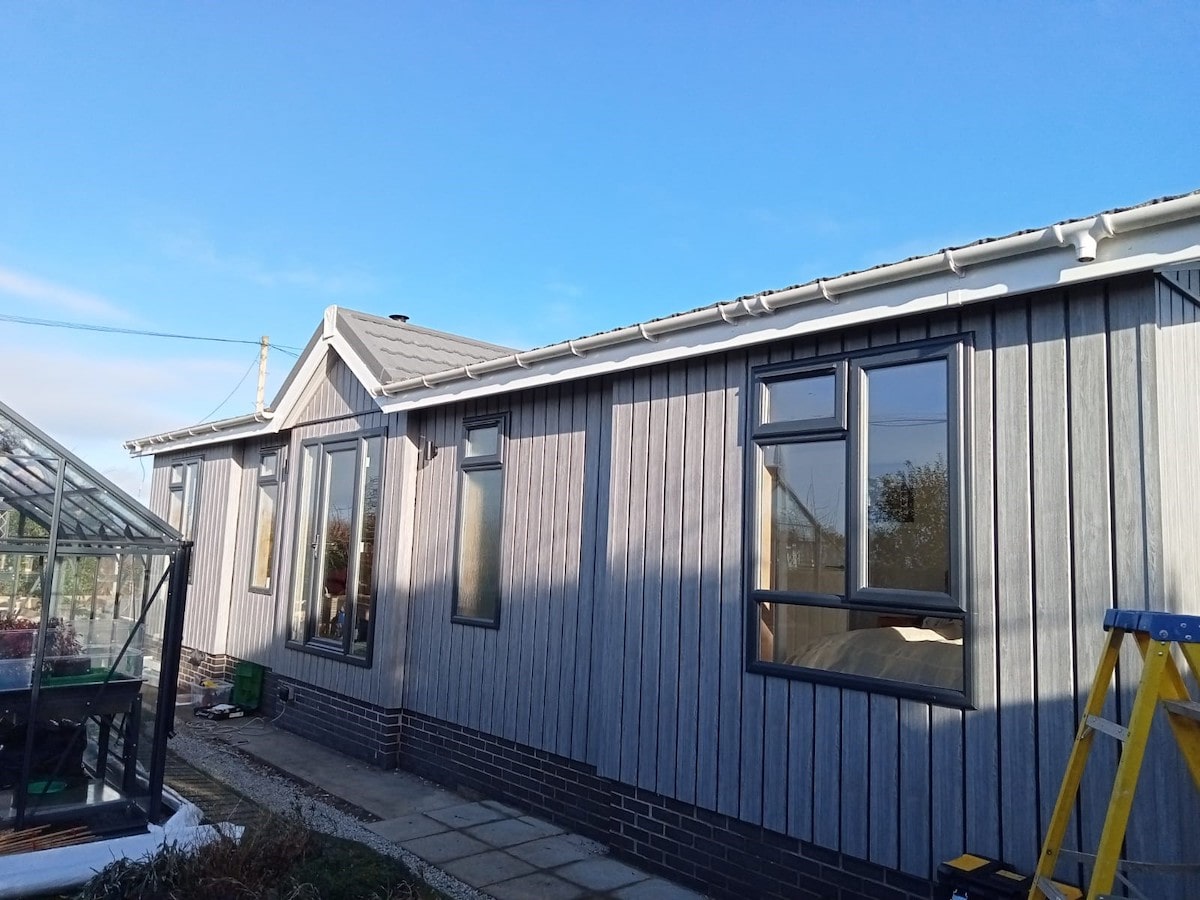
- Apply the chosen exterior finish (for example, roughcast, stipple, or cladding)
Why solid core, foil-backed insulation performs well in park homes
Solid core, foil-backed insulation is often the best choice for park homes because it is stable, moisture-resistant, and performs consistently when fitted correctly.
Key benefits include:
- It will not absorb moisture in the way some other materials can
- It will not slump or fall down a cavity, which helps maintain performance over time
- The foil backing helps reflect hot and cold environments, supporting comfort in both winter and summer
- This is also one reason we are cautious about “quick fix” solutions that are commonly used on other building types.
Why correct installation matters (and why you can over-insulate)
Even the best insulation materials can cause problems if the installation does not suit the structure of the home.
If a park home is insulated without considering ventilation and moisture movement, it can lead to trapped humidity. Over time, that can cause the home to “sweat” internally and create damp issues that were not there before.
This is why we recommend an assessment that looks at:
- The existing wall build-up and condition
- Ventilation routes and airflow
- Any existing signs of condensation or damp
- What has already been installed previously
Is there one “best” insulation solution for every park home?
Not always.
While solid core, foil-backed insulation with a breathable membrane is often the best-performing option, each park home should be evaluated individually.
Two homes can have the same symptoms (cold rooms, poor heat retention, condensation) but need different solutions depending on:
- The age of the property
- The condition of the existing structure
- Access around the home
- Previous insulation work (including poor-quality installations)
- The balance between insulation and ventilation
The best insulation for park homes is the one that is chosen based on the home itself, not a generic method that is applied to every property.
Is there one “best” insulation solution for every park home?
Not always.
While solid core, foil-backed insulation with a breathable membrane is often the best-performing option, each park home should be evaluated individually.
Two homes can have the same symptoms (cold rooms, poor heat retention, condensation) but need different solutions depending on:
- The age of the property
- The condition of the existing structure
- Access around the home
- Previous insulation work (including poor-quality installations)
- The balance between insulation and ventilation
The best insulation for park homes is the one that is chosen based on the home itself, not a generic method that is applied to every property.
Frequently Asked Questions About the Best Insulation for Park Homes
Can you over-insulate a park home?
Yes. If insulation is installed without considering ventilation and moisture movement, a park home can effectively be “suffocated”, which can lead to sweating and internal damp issues.
Is polystyrene and render suitable for park homes?
It is commonly requested, but it is not designed for park homes in the same way it is for masonry buildings. In many cases it can contribute to damp and sweating problems.
What insulation works best in older park homes?
Solid core, foil-backed insulation with a breathable membrane, fitted correctly, is often the best-performing option because it does not absorb moisture and will not slump in the cavity.
What is the best insulation for cold floors in a park home?
Underfloor insulation can help significantly when installed properly. The best results typically come from solid core, foil-backed insulation with temperature-controlled foam sealing the joins (rather than foil roll and tape).
What if my park home has condensation problems?
Condensation usually needs a combined approach. It may involve assessing ventilation as well as insulation, and sometimes looking at windows, roofing, and walls rather than focusing on one area.
Does park home insulation need to meet BS3632?
Many insulation upgrades can be designed to conform to current BS3632 insulation standards, but it depends on the home and the full build-up. The key is correct assessment and installation.
Get advice on the best insulation for your park home
If you are looking for the best insulation for park homes, the most reliable next step is to get advice based on your specific property.
A proper assessment helps identify where heat loss is happening, whether ventilation needs improving, and which insulation method will improve comfort without creating damp issues.
Get in touch today to book your free survey or ask any questions, our team is here to help.