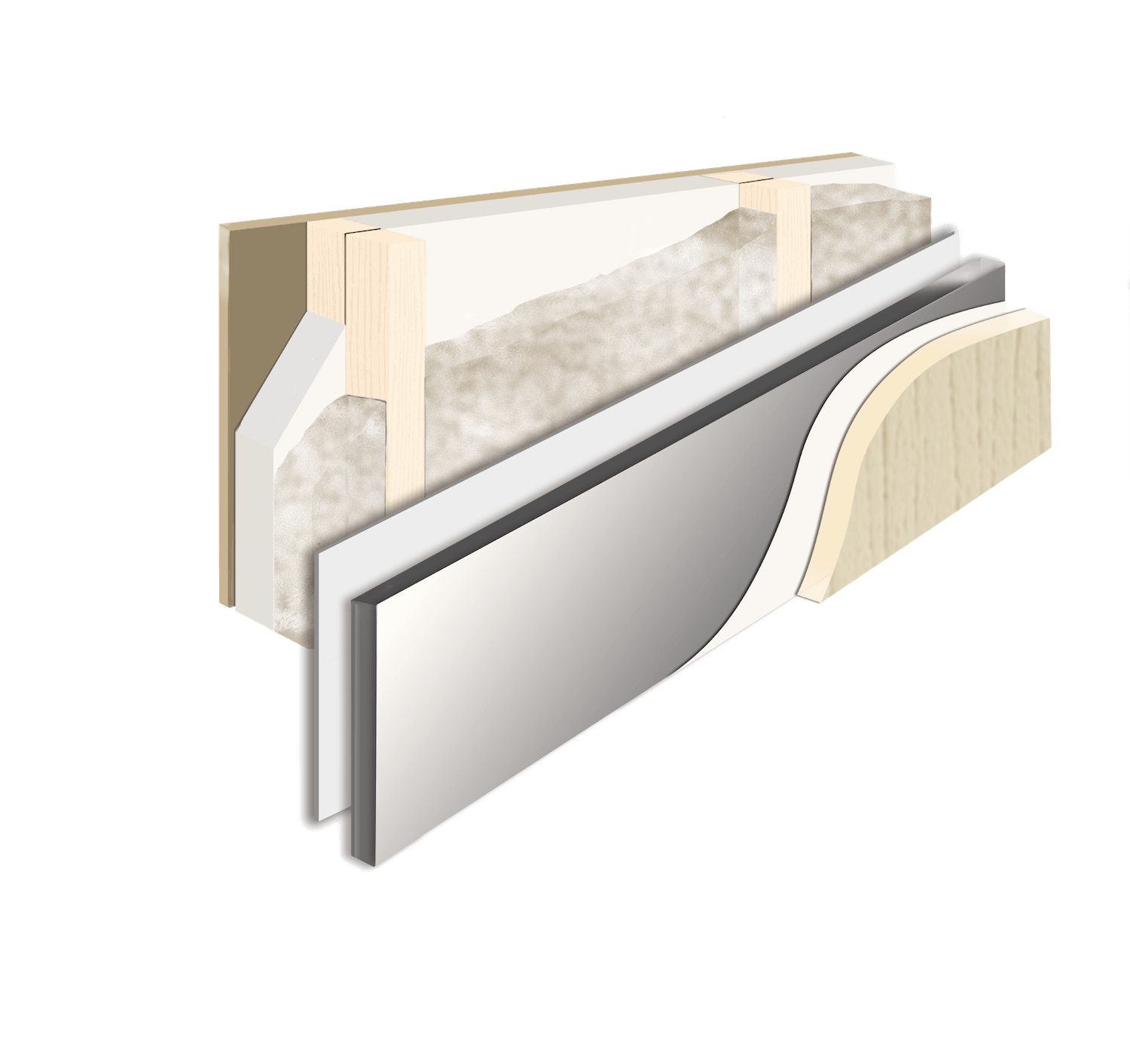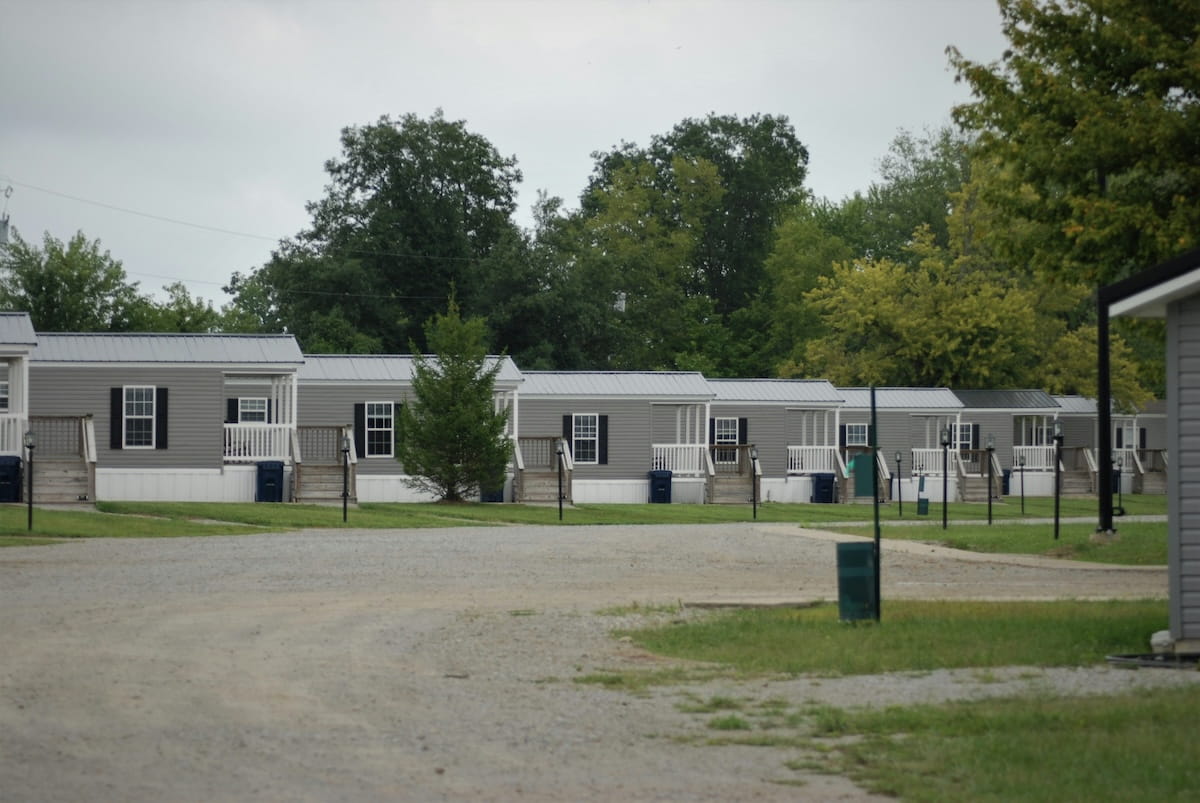
A park home is not a small bungalow. It is a timber-framed structure sitting on a steel chassis, raised above the ground on piers, with a ventilated void underneath, lightweight cladding on the outside and a shallow-pitched roof covering that behaves nothing like slate or tile.
That construction is what makes park homes warm, quick to build and comparatively affordable. It also means the maintenance calendar is different. Jobs that are optional on a brick house are essential here, timing matters more, and one or two of the tasks people assume are sensible, like blocking up the vents under the floor in December, will actively cause damage.
There is also one job that matters more than all the others, and it is the one most often left undone. We will come to it.
This checklist runs through the year season by season, then sets out the short monthly walk-round, the annual jobs worth booking in advance, and answers to the questions we get asked most often.
Why park home maintenance runs to a different calendar
Four features of park home construction drive almost everything on this list.
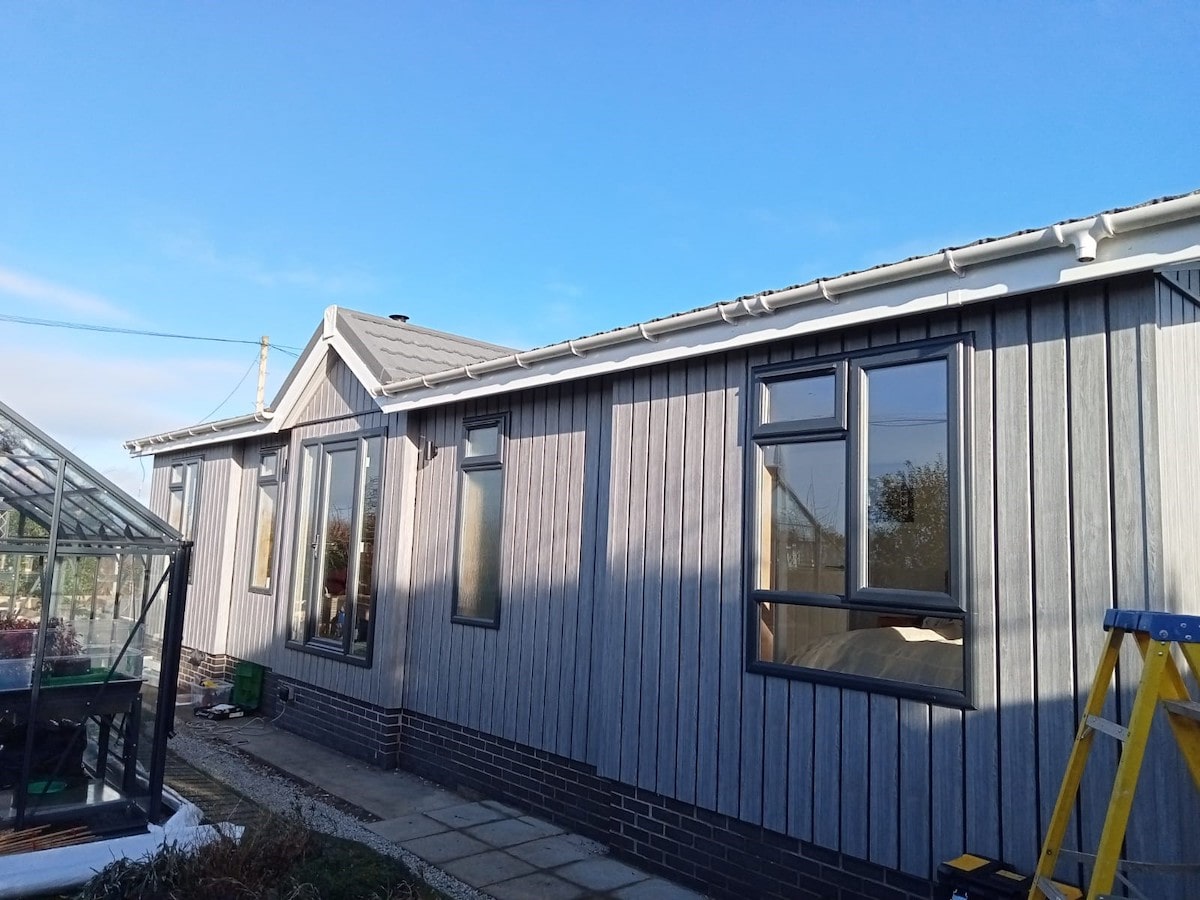
The external walls. This is where park homes fail. The most common repair we carry out is exterior wall breakdown, the external ply begins to delaminate and rot, almost always because water has been reaching it over a long period. It is a significant repair once it has taken hold, and it is very largely preventable. Keeping the outside of the home painted and properly sealed is what stops water getting to the ply in the first place.
The underfloor void. Water pipes, waste pipes and sometimes gas and electrical runs sit in the open space beneath the floor. They are far more exposed to frost than pipes buried in a masonry wall. That void also needs constant airflow to keep the timber floor structure dry, so the fix for cold pipes is insulation, never blocking the vents.
The chassis. Steel, painted, and sitting a few inches above ground level. It develops rust, particularly on coastal and low-lying sites. This is less alarming than it looks, provided it is dealt with rather than ignored.
Movement. Park homes settle. Ground shifts, piers move fractionally, and the structure follows. Doors that stick and windows that catch are usually a levelling symptom rather than a hinge problem.
Coverings that age faster than brick. Vinyl or steel cladding, felt or single-ply roofing, external timber, all have a service life measured in decades rather than centuries, and all respond well to being maintained and badly to being ignored.
Spring (March to May) – Assess what winter did
Spring is an inspection season more than a repair season. The aim is to find damage while there is still a full summer ahead to fix it.
Inspect the paintwork and external walls
This is the most important inspection of the year. Walk the full perimeter and look closely at the painted surfaces, particularly on the weather-facing elevation, around window and door openings, and at any joint or junction where two surfaces meet.
You are looking for paint that has cracked, blistered, flaked or thinned to the point where it no longer sheds water. Any of those is an entry point. Also look for soft spots, staining or panels that have begun to bulge or separate, which suggest water has already reached the ply behind.
If the last repaint was more than five years ago, it is due regardless of how it looks.
Inspect the roof covering and joints
Walk the perimeter with binoculars rather than a ladder. Look for lifted or rippled felt, splits at the joints, standing water that has not drained, and any displaced trim along the ridge or eaves. Pay attention to where the roof meets a chimney, flue or vent, the joints fail before the field of the roof does.
Clear gutters and downpipes
Winter debris plus spring blossom is a reliable blockage. Overflowing gutters run water straight down the external walls, and on a park home that water tracks behind panels far more easily than it does down brickwork. Given what water does to external ply, this is a more consequential job here than on a masonry house.
Check the underfloor void
Take a torch and look underneath. You are checking for: standing water or damp ground, pipe lagging that has slipped or been pulled off by wildlife, vents blocked with leaves or by stored items, and any sign of rodent activity. Also check the chassis for fresh rust, particularly around the outriggers and any welded joints.
Test every door and window
Open and close everything. Anything that has started to catch since autumn suggests the home has moved. Note it rather than planing the door, planing a door to fit a moved frame stores up a bigger problem.
Summer (June to August) – the repair and refinishing window
Warm, dry weather is when external work will actually cure and bond properly. Almost anything involving paint, coating or sealant belongs here.
Repaint, recoat and reseal
If there is one job to get right, this is it. A park home should be repainted every three to five years. It is the single most common maintenance task, and it is the direct preventative for the single most common repair.
Summer is the only realistic window, paint needs dry conditions and a run of settled days to cure properly. Reseal around windows, doors and service penetrations at the same time, wherever the old bead has cracked or pulled away.
If paintwork has already broken down badly enough that the ply beneath is damaged, painting over it will not help. That needs addressing first.
Attend to the chassis
Any rust found in spring gets dealt with now: rub it back to sound metal and apply a rust-resistant paint to protect it going forward. Surface rust caught early is a straightforward job. Left indefinitely, it becomes a larger one.
Check ventilation before you need it
Clear every airbrick and vent, in the skirting and in the walls. Test extractor fans in the kitchen and bathroom actually move air, hold a sheet of paper to the grille. Condensation problems in January are usually ventilation problems that were invisible in July.
Book the bigger work
Reputable contractors for re-roofing, re-cladding, window replacement, insulation upgrades or full refurbishment are booked out well ahead. If a spring inspection flagged something substantial, summer is when you get it into a diary rather than when you get it done.
Autumn (September to November) – prepare for cold and wind
This is the highest-value season on the list. An hour in October prevents most of the emergencies that happen in January.
Lag exposed pipework, without blocking the vents
Every water pipe in the underfloor void wants proper lagging, fitted snugly with no gaps at bends and joints, which is exactly where lagging tends to be skipped and exactly where pipes burst. Check existing lagging is intact and dry.
Do not be tempted to close the underfloor vents to keep the frost out. The void needs that airflow year-round to keep the floor structure dry. Insulate the pipes; ventilate the space.
Service the heating system
Book the annual boiler service and, if you have gas, the annual Gas Safe check. Bleed radiators. If you have a gas bottle supply, check the changeover valve and the condition of the flexible hoses.
Clear gutters again after leaf fall
Once the trees are bare, not before. Blocked gutters through a wet winter are one of the main ways water reaches the external walls.
Secure everything loose outside
Park homes sit on open sites and take wind loading that a terraced house never sees. Check roof trim and flashing is fixed down, secure or store garden furniture, check the skirting is properly fastened, and look at any shed, awning or porch attached to the home.
Check draughts and seals
Feel around door and window frames on a windy day. Replace perished rubber seals and worn draught excluders now, it makes a measurable difference to heating costs across a park home’s relatively large external surface area.
Winter (December to February) – monitor and manage
Little to install, plenty to watch.
Watch for condensation
Park homes show condensation faster than masonry buildings because the internal surfaces respond quickly to temperature change. Check window reveals, the corners of external walls, behind furniture pushed against outside walls, and inside wardrobes. Wipe it, then work out where the moisture is coming from, drying washing indoors and unvented cooking are the usual culprits.
Keep the heating ticking over
Continuous low heat is better than short bursts of high heat, both for condensation and for frost protection. If you go away, leave the heating on a frost setting rather than off entirely, or drain the system properly.
Do a walk-round after every storm
Five minutes. Roof trim, external panels, skirting, anything that has blown against the home. Small storm damage that goes unnoticed until spring is how water gets in, and water getting in is how the external ply starts to go.
Keep vents clear
Snow, leaves and drifted debris all block underfloor vents. Check after bad weather.
The five-minute monthly check
Regardless of season:
- Walk the full perimeter, looking at paintwork, external panels, skirting and trim
- Glance under the home with a torch for water, damp or disturbance
- Check gutters are running clear during rain
- Test smoke and carbon monoxide alarms
- Look at ceilings and the tops of external walls inside for new staining
What to leave to a specialist
Re-levelling, chassis repair, roof replacement, re-cladding, gas work and electrical work all sit outside DIY territory on a park home, partly for safety, partly because the construction is unforgiving of amateur repairs, and partly because insurers and site owners will ask who did the work.
If an inspection has turned up more than a season’s worth of jobs, it is usually more economical to address them as a single piece of refurbishment work than to keep patching year by year.
FAQs on Park Home Maintenance
How often does a park home need re-levelling?
Levelling is not a frequent job on most homes. It sits within a longer-term maintenance plan, a ten-year item rather than an annual one. What matters more is noticing the symptoms in between. Doors and windows that begin to catch, or a floor that has developed a noticeable slope, are the usual signs that levels need checking, and they can appear at any point.
What is the most common repair you see on park homes?
Exterior wall breakdown, by some distance. The external ply starts to delaminate and rot, which happens when water has been reaching it over an extended period.
It is the repair we are called out for most often, and it is also the most preventable one on this list. Water reaches the ply because the paintwork and sealant that should be keeping it out have broken down. Keeping the outside of the home painted on a three-to-five year cycle is what prevents it.
How much should I budget for park home maintenance each year?
There is no large recurring annual figure for a well-kept home. The regular cost is painting, every three to five years, and that is the most common maintenance work we do.
Beyond that, park home maintenance is driven by components reaching the end of their life rather than by an annual budget. Windows, roof coverings and insulation typically start to come up for replacement from around twenty years onwards. Planning for that horizon is more useful than setting aside a fixed sum each year.
Can I do my own park home maintenance, or will it affect my insurance?
A good deal of it is straightforward DIY. Painting the home, clearing the gutters and washing down the windows are all jobs owners handle themselves, and doing them consistently is what keeps the bigger repairs away.
The line falls at structural work, roofing, gas and electrics, all of which need a qualified specialist. It is also worth being realistic about scale, repainting a whole park home is a substantial job, and if the paintwork has broken down far enough that the ply beneath is affected, painting over it will not solve anything.
How long does a park home roof last before it needs recoating or replacing?
Recoating is a short-term measure rather than a solution. It buys time; it does not reset the clock, and it is worth going in with that expectation.
Replacement is usually a consideration from around thirty years, unless the roof has been damaged, in which case it comes up sooner regardless of age.
Does chassis rust mean the home is beyond saving?
Not at all. The chassis is a very sturdy structure and the rust is usually surface only. The remedy is to rub it back and apply a rust-resistant paint to protect it going forward.
Chassis rust looks alarming when you first shine a torch under a home, but on the overwhelming majority of the homes we see it is a maintenance job rather than a structural problem.
Am I responsible for maintenance, or is the site owner?
The homeowner is responsible for maintaining the home itself. Your written statement and your site’s licence conditions will set out where the boundary falls between the home and the pitch, so it is worth reading both if you are unsure.
Does keeping on top of maintenance actually affect resale value?
Yes. A well-kept home in good condition sells more easily and holds a better resale value. Buyers of park homes look closely at condition, and visible neglect on the outside invites questions about what has been neglected everywhere else.
What is the one job people most often skip?
It is the most common maintenance job, the most commonly skipped one, and the one that prevents the most common repair. Almost every case of external wall breakdown we attend traces back to paintwork that was left too long.
Get in touch today for friendly, no-obligation advice, or explore our full range of park home services to find the right support for your home.