Owning a park home is all about enjoying a flexible, low-maintenance lifestyle… but that doesn’t mean park home repairs can be ignored! Park homes have their own quirks and challenges, and being proactive with repairs is key to protecting your investment and your comfort. Whether you’re facing your first repair or want to get ahead of future issues, this guide covers everything you need to know about park home repairs… what to watch for, how to prioritise, and when to call in the pros.
Understanding Park Home Repairs: What Makes Them Different?
Unlike traditional bricks-and-mortar houses, park homes are constructed using lightweight materials, built on a steel chassis, and often sited in exposed locations. This means certain issues crop up more frequently, and require a specialist approach. From chassis checks to modernising insulation, park home repairs demand a blend of practical know-how and an understanding of regulations.
Most Common Park Home Repairs (and How to Spot Them)
1. Chassis and Underfloor Repairs
The steel chassis is literally the foundation of your park home. Over time, exposure to damp and ground movement can cause corrosion or warping.
Warning signs:
- Uneven floors or spongy patches underfoot
- Visible rust or flaking metal beneath the home
- Doors and windows that suddenly stick or won’t close
Why this matters:
Ignoring chassis issues can lead to major structural problems. Annual inspections and prompt repairs are essential for safety and long-term value.
2. Roof Leaks and Exterior Panel Damage
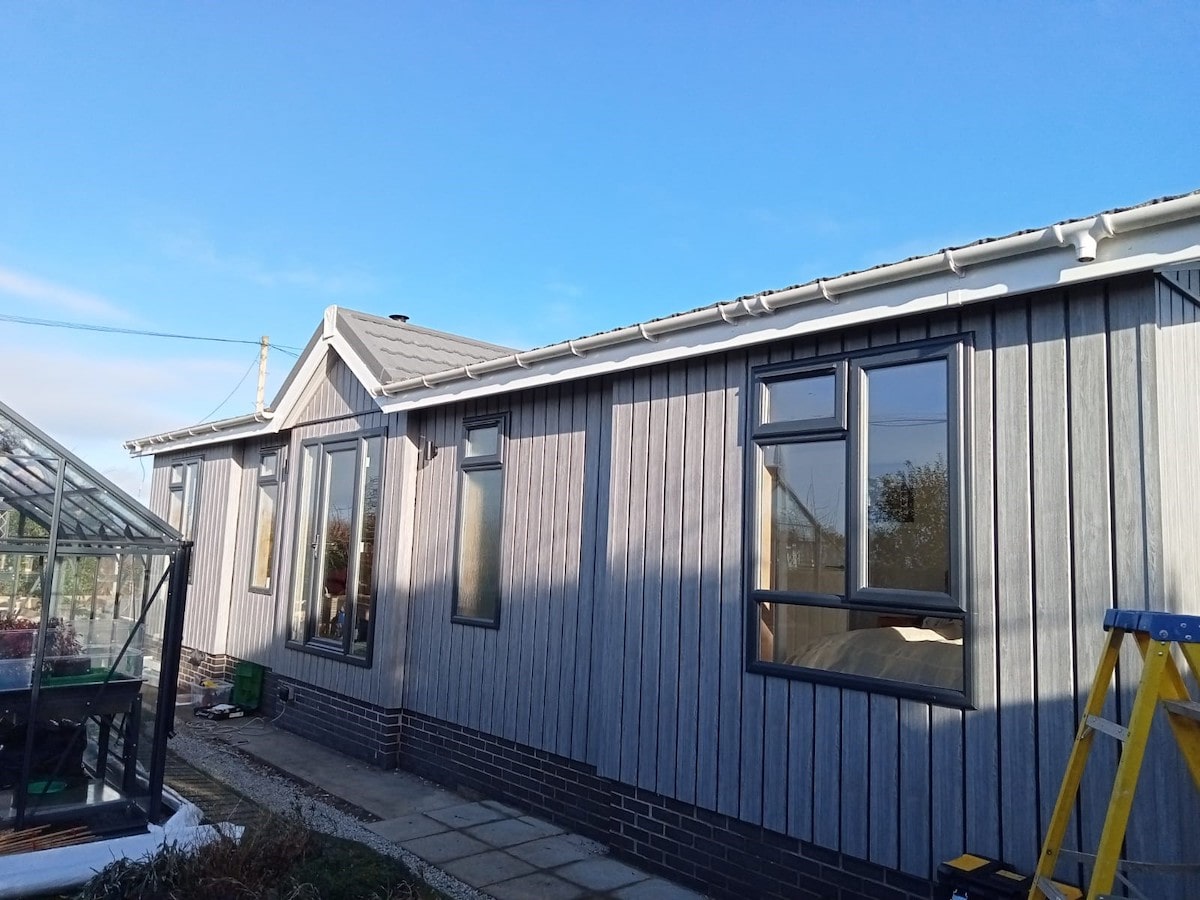
The roof and wall panels are your first line of defence against the weather. Storms, tree branches, and general wear can all take their toll.
What to look out for:
- Water stains on ceilings or walls
- Cracked, missing, or loose roof tiles/panels
- Damp patches or mould growth near windows and doors
Repair tip:
Quickly replacing or resealing damaged panels can prevent costly water ingress and internal rot. Don’t forget to clear gutters and check seals after heavy rain.
3. Damp, Condensation, and Insulation Failures
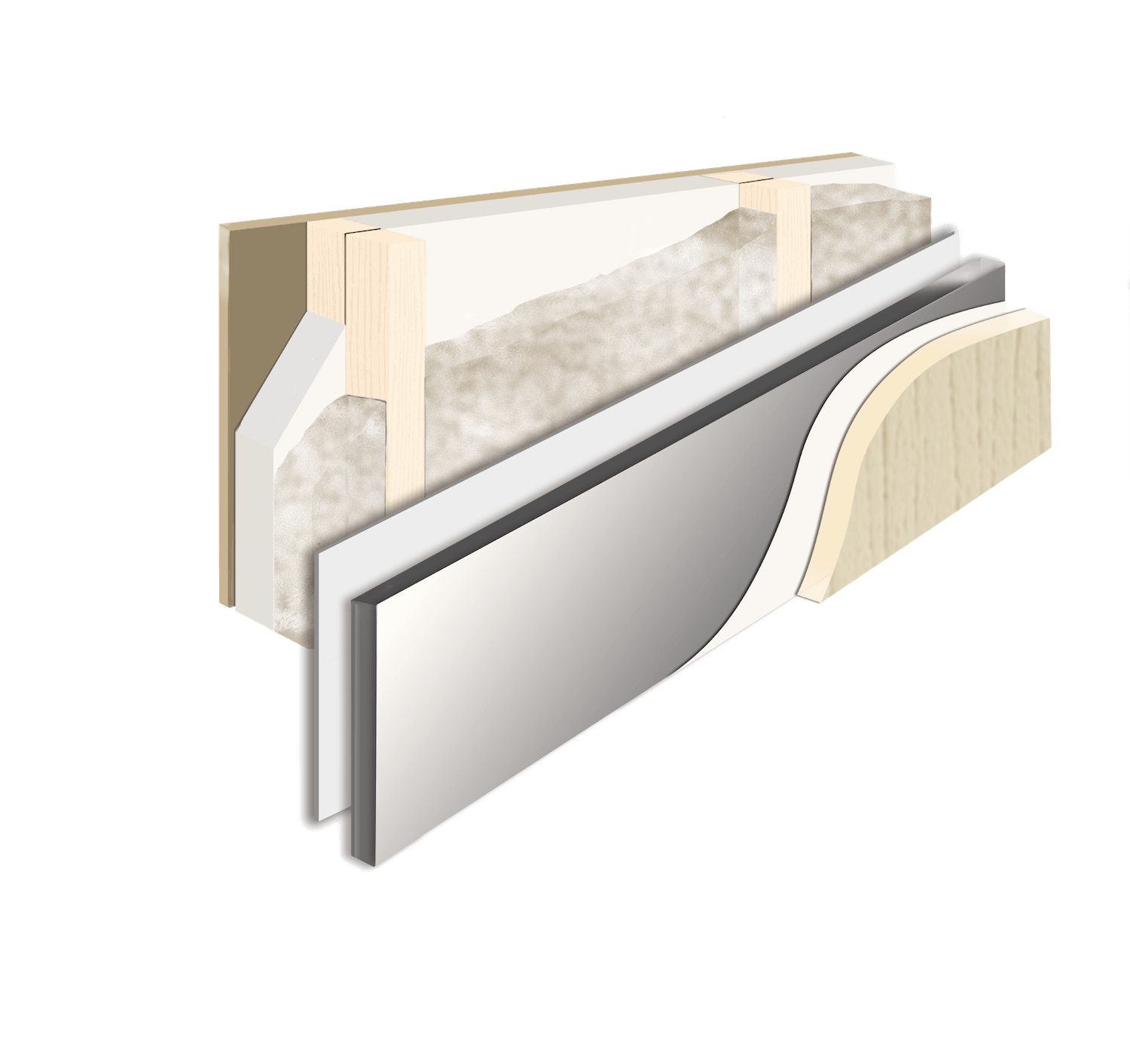
Park homes, especially older ones are prone to condensation and damp, which can lead to mould and poor air quality.
Spot the signs:
- Persistent musty smells
- Mould on walls, ceilings, or behind furniture
- High heating bills or cold draughts
Best fixes:
Upgrade insulation, improve ventilation, and address leaks at the source. Installing extractor fans in kitchens and bathrooms can make a big difference.
4. Plumbing and Electrical Issues
Because park homes are compact, plumbing and wiring are often routed in tight spaces, making them vulnerable to leaks or wear.
Common problems:
- Dripping taps or leaks under sinks
- Low water pressure or slow drains
- Flickering lights, tripped circuits, or outdated fuse boxes
Safety first:
Always use qualified tradespeople for electrical or gas repairs. Annual service checks are a smart investment.
5. Skirting, Steps, and Access Points
Skirting protects the underfloor area from weather and pests, while steps and access ramps need to be sturdy and safe.
Check for:
- Loose or missing skirting panels
- Rotting wooden steps or rusted metal supports
- Gaps that could let in vermin or water
Quick win:
Repairing or upgrading skirting is one of the easiest ways to improve both the look and efficiency of your park home.
Park Home Repairs: DIY or Hire a Specialist?
While some repairs, like painting, gutter cleaning, or replacing a door handle are perfect for DIY enthusiasts, many park home repairs require specialist knowledge. Structural, electrical, and gas-related repairs should always be handled by professionals with experience in park homes. This not only ensures safety but also helps you stay compliant with site regulations and insurance requirements.
What Happens After the Survey?
Once the survey is complete, you’ll receive a detailed report outlining any issues found, their severity, and recommendations for repairs or further investigation. This report is invaluable for:
- Negotiating with the seller: Use the findings to adjust your offer or request repairs before completion.
- Budgeting for future maintenance: Understand what work may be needed and when.
- Ensuring safety and compliance: Address urgent issues before moving in.
Staying Compliant: The Legal Side of Park Home Repairs
Park homes are subject to specific standards (like BS3632 for residential use) and site licence rules. Unauthorised alterations, non-compliant repairs, or ignoring safety checks can lead to fines or insurance headaches. Always keep records of repairs and check with your site manager before making major changes.
Preventative Maintenance: The Secret to Fewer Repairs
The best way to avoid big repair bills? Stay ahead with regular maintenance:
- Inspect your chassis, roof, and skirting every year
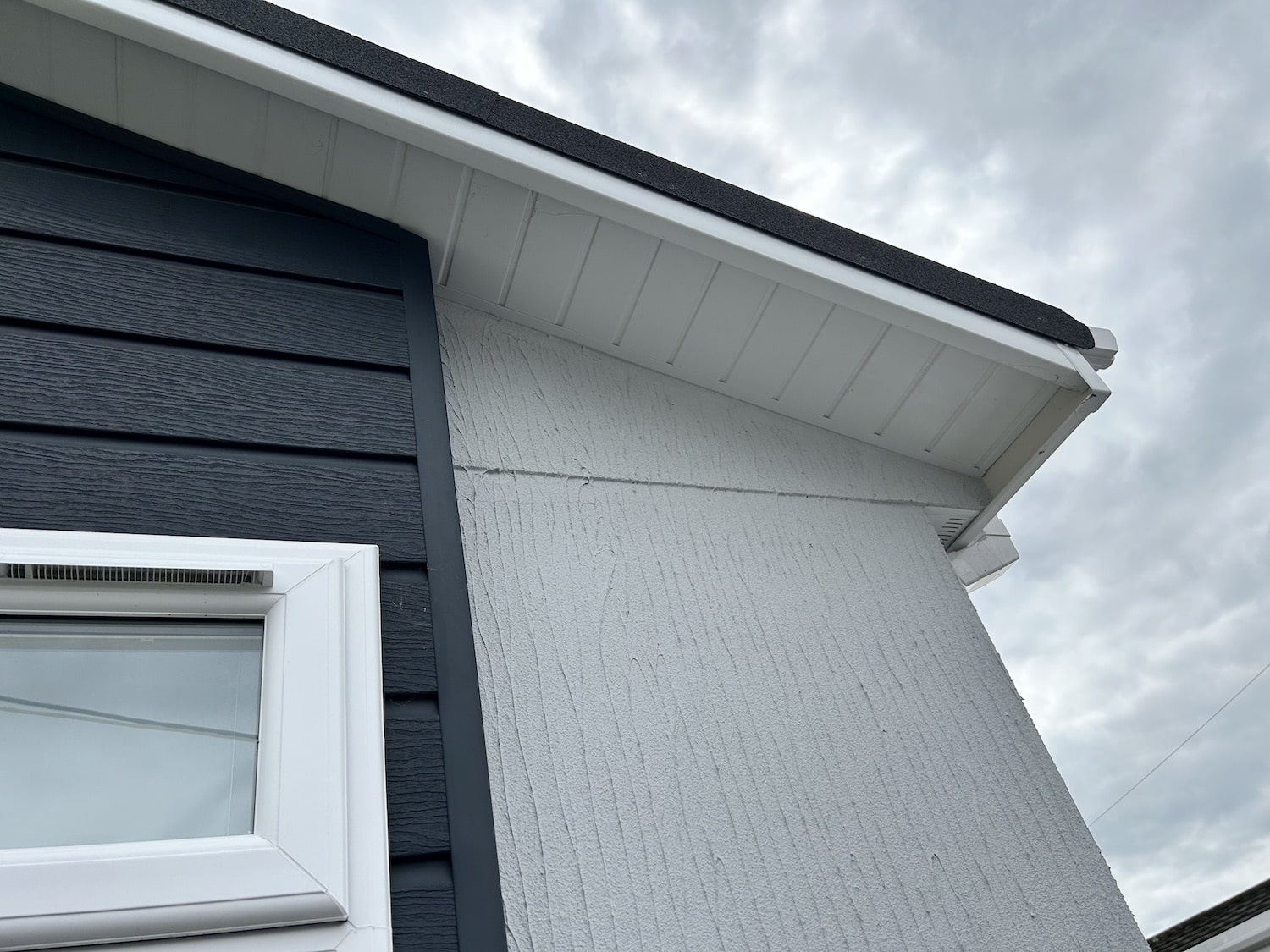
- Repaint your homes exterior walls every 3-5 years with the correct paint to maintain warranties.
- Service your boiler and check your electrics annually
- Clear gutters and check for water ingress after storms
- Keep a log of all repairs and services
FAQs
How often should park homes be inspected?
Ideally, have a full inspection once a year, plus after any severe weather.
Are park home repairs expensive?
Costs vary, minor fixes can be affordable, but ignoring issues often leads to bigger, pricier repairs down the line.
Can I get insurance for park home repairs?
Yes, but check your policy for what’s included and ensure all work is done by qualified professionals.
What’s the most common repair?
Chassis rust and roof leaks top the list, especially in older homes.
Why Choose Prestige Developments for Park Home Repairs?
At Prestige Developments, we specialise in all aspects of park home repairs, from emergency fixes to full refurbishments. Our team understands the unique needs of park home owners and delivers high-quality, compliant repairs every time. Whether you need a quick leak fix or a full structural overhaul, we’re here to help.