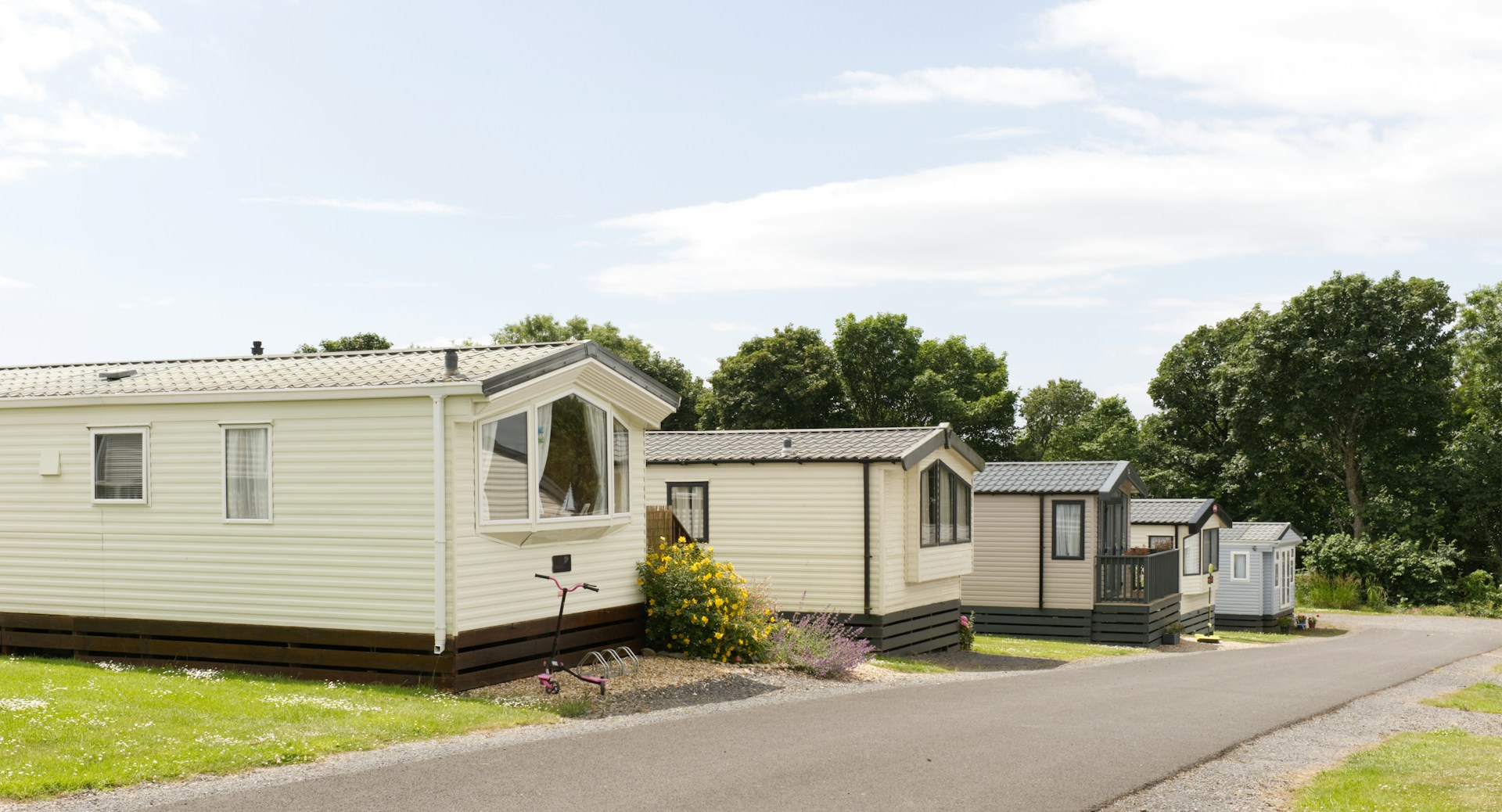
When the temperature climbs, park homes can feel like they heat up quickly, especially if they’re exposed to direct sun, have older windows, or haven’t had insulation improvements in a while. The good news is you don’t need to rely on fans and portable air conditioners alone. The most effective way to cool a park home is to reduce how much heat gets in (and how long it stays there).
Below is a practical, step-by-step guide to cooling down your park home, including quick wins you can do today and longer-term upgrades that improve comfort year after year.
1) Start with the basics: manage heat coming in
Before you spend money on cooling appliances, focus on preventing heat gain. If you stop the sun and warm air entering your home in the first place, every room will feel noticeably more comfortable.
- Close curtains and blinds during peak sun hours (typically late morning to early evening). If you have rooms that face south or west, prioritise these.
- Use reflective or thermal-lined curtains where possible. They can reduce radiant heat from sunlight.
- Create shade outside: awnings, pergolas, external blinds, or even well-placed planting can cut down solar gain significantly.
These changes are inexpensive and immediate, but they’re even more powerful when paired with the right building improvements.
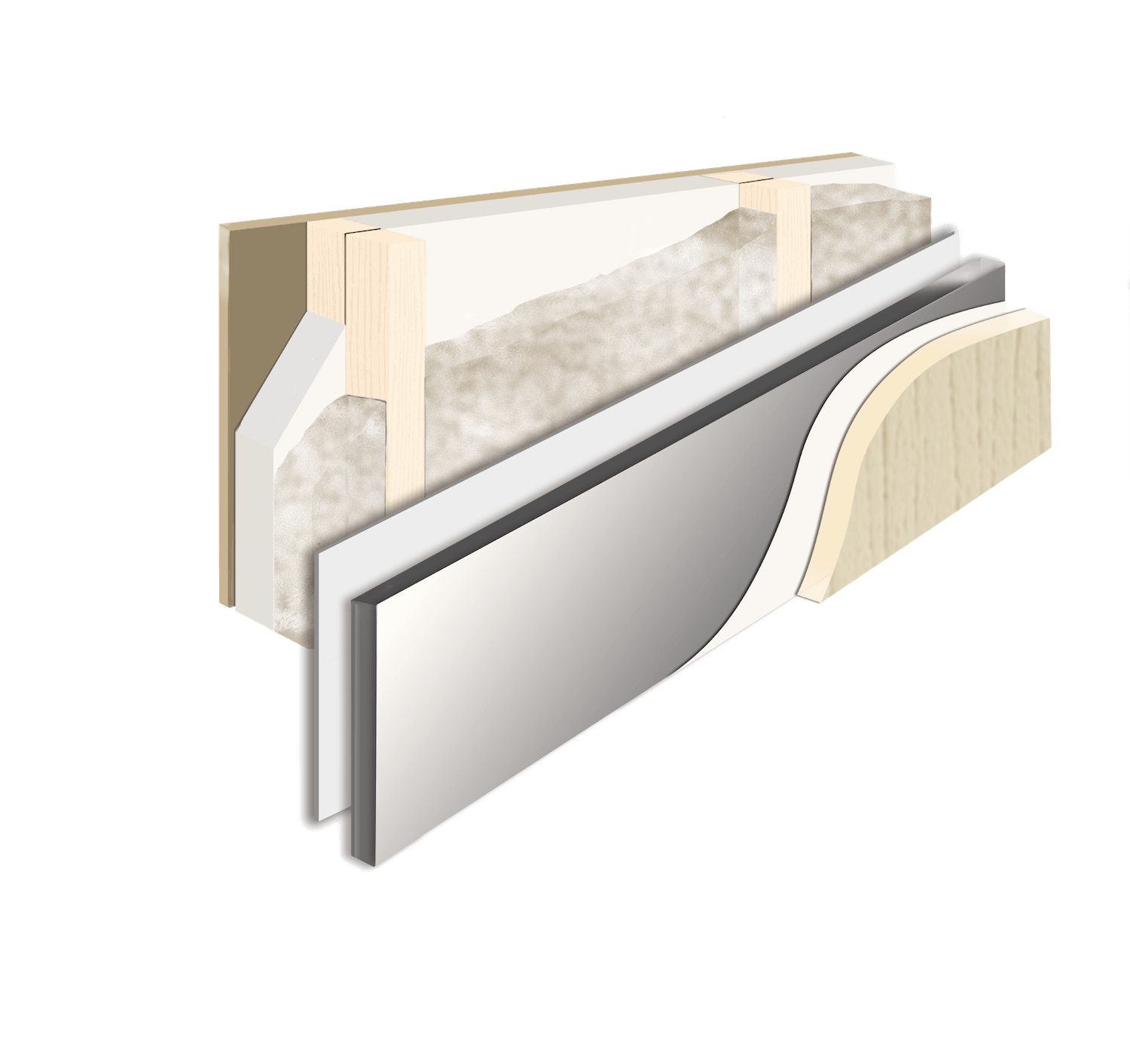
2) Improve insulation to keep heat out (and comfort in)
Insulation isn’t just for winter. In summer, good insulation slows down heat transfer, helping your park home stay cooler for longer. If your home heats up quickly during the day and stays warm into the evening, that’s often a sign that heat is getting in easily and then lingering.
Key areas to consider:
- Underfloor insulation: helps reduce heat transfer and can also improve overall comfort underfoot.
- Wall insulation: can reduce the “hot box” effect on sunny days.
- Roof/loft insulation: one of the most important areas, as heat rises and roof spaces can become extremely warm.
If you’re exploring upgrades, it’s worth looking at professional solutions designed specifically for park homes. Prestige Developments offers specialist options via their park home insulation service: https://www.prestigedevelopments.com/services/park-home-insulation/
3) Check your window glazing performance (it matters more than you think)
Windows are a major route for heat gain in summer. Even if your park home is insulated, older or poorly performing glazing can allow sunlight and warm air to push indoor temperatures up.
A few signs your glazing may be underperforming:
- Rooms get very hot very quickly when the sun is on the windows
- You feel noticeable warmth radiating from the glass
- Draughts around frames (warm air can enter; cool air can escape)
- Condensation between panes (a sign of failed seals in double glazing)
Upgrading to modern uPVC windows can improve comfort in both summer and winter, while also helping with noise reduction and security. If you’re considering this route, take a look at Prestige Developments’ uPVC windows service page: https://www.prestigedevelopments.com/services/upvc-windows/
4) Use ventilation strategically (timing is everything)
Ventilation can cool your home, but only if the air outside is cooler than the air inside.
- Early morning: open windows to flush out warm air built up overnight.
- Midday/afternoon: keep windows closed on the sunny side if it’s hotter outside.
- Evening: open windows again once the outside temperature drops.
To create a stronger cooling effect:
- Open windows on opposite sides of the home to create a cross-breeze.
- Use a fan near a window to push warm air out (extraction) rather than just circulating it around the room.
If your park home has trickle vents, make sure they’re clean and functioning, they can help maintain airflow without needing windows wide open.
5) Reduce indoor heat sources
A surprising amount of heat comes from inside your home. On hot days, small changes to daily habits can make a noticeable difference.
- Avoid using the oven during the hottest part of the day. Consider microwave, air fryer, or outdoor cooking options.
- Switch to LED bulbs if you haven’t already, they produce far less heat than older lighting.
- Turn off unused electronics (TV boxes, chargers, PCs). They generate heat even when “idle”.
- Use extractor fans when cooking or showering to remove warm, humid air.
Humidity also plays a big role in comfort. Even if the temperature isn’t extreme, high humidity can make rooms feel sticky and oppressive.
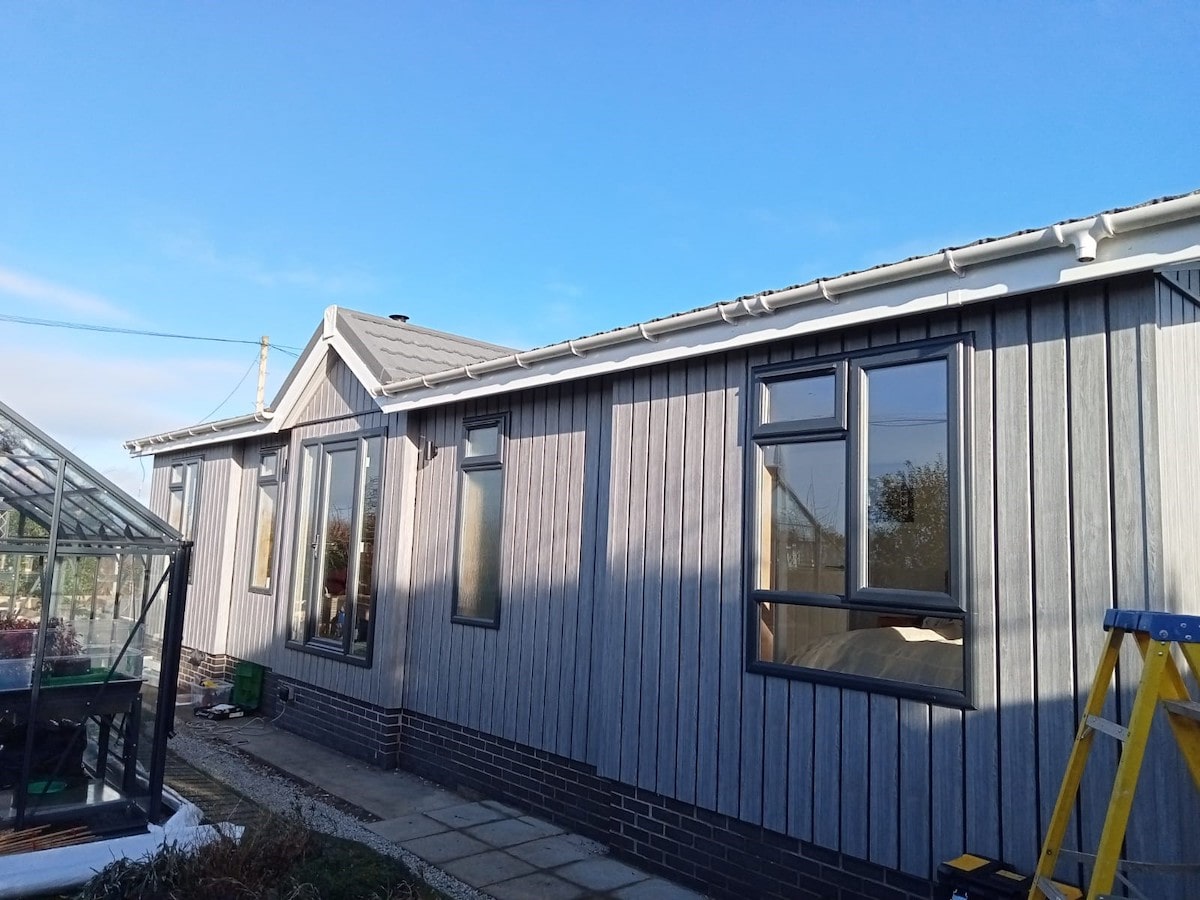
6) Consider cladding as a long-term comfort upgrade
External improvements can help regulate indoor temperatures by reducing direct heat transfer through the walls and improving the home’s overall thermal performance.
Quality cladding can:
- Add an extra protective layer against weather and temperature swings
- Improve insulation performance when combined with suitable systems
- Refresh the appearance of your park home and reduce maintenance
If you’re weighing up external upgrades, Prestige Developments’ cladding service page is a good place to start: https://www.prestigedevelopments.com/services/cladding/
7) Keep the roof space working for you
The roof is often the hottest part of a home in summer. If heat builds up above your ceiling, it can radiate down into living spaces.
Practical steps include:
- Ensuring loft/roof insulation is adequate and correctly installed
- Checking for gaps or compressed insulation (which reduces effectiveness)
- Maintaining ventilation in roof spaces where appropriate
If you’ve never had your insulation assessed, or it’s been many years since it was upgraded, this can be one of the most cost-effective comfort improvements you can make.
A simple plan: what to do first
If you’re not sure where to start, here’s a straightforward order of operations:
- Shade + blinds/curtains on the sunniest windows
- Ventilation timing (morning and evening cross-breeze)
- Reduce indoor heat sources (cooking, lighting, electronics)
- Assess window performance and consider upgrades if needed: https://www.prestigedevelopments.com/services/upvc-windows/
- Review insulation for roof, walls, and underfloor: https://www.prestigedevelopments.com/services/park-home-insulation/
- Consider external cladding as a long-term improvement: https://www.prestigedevelopments.com/services/cladding/
When to get professional advice
If your park home becomes uncomfortably hot every summer, it’s worth getting a professional assessment. A specialist can help you identify the biggest sources of heat gain, whether that’s older glazing, gaps and draughts, insufficient insulation, or external exposure.
Upgrades like insulation, cladding, and modern windows aren’t just about comfort. They can also improve energy efficiency, reduce condensation issues, and make the home feel more consistent year-round.
Looking to make your park home more comfortable?
If you’d like tailored advice on improving thermal performance, get in touch today or explore Prestige Developments’ specialist services: