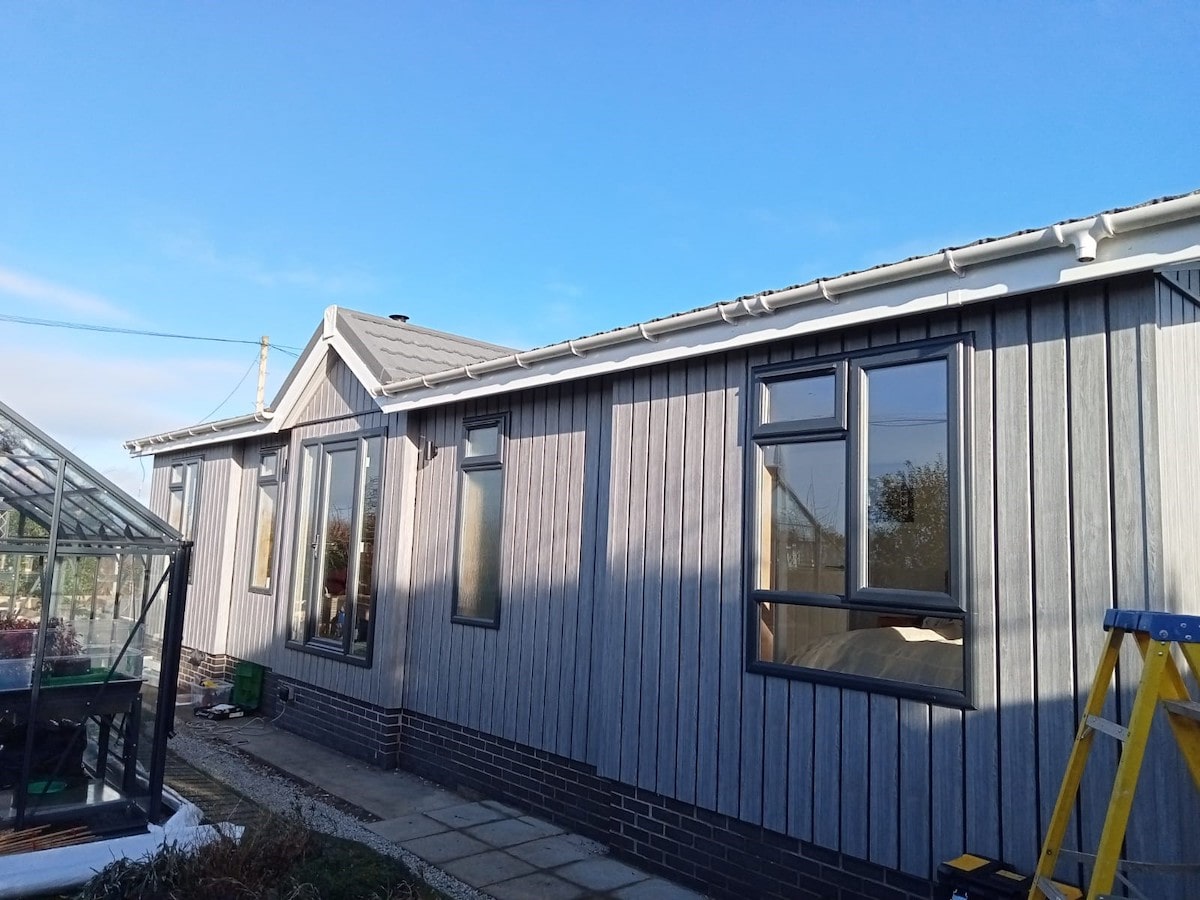
Yes, in most cases you can insulate an existing park home, and it can make a huge difference to warmth, comfort and condensation.
But the important bit is this… park home insulation has to be done in a way that doesn’t trap moisture inside the structure. Done properly, insulation can transform the home. Done badly, it can create (or worsen) damp, black mould and “sweating” walls.
This guide explains what’s possible, the most common upgrade options, and the methods we recommend (and avoid) when insulating an existing park home.
What we check first (and why it matters)
Before recommending any insulation upgrade, we look at a few fundamentals:
- Age of the home (older homes often need a different approach)
- Overall condition (timbers, existing coverings, signs of damp)
- Why you’re considering insulation (cold, high bills, condensation, comfort)
In most cases, walls are the “go to” first, followed by underfloor insulation. Underfloor upgrades are often most relevant for older homes (typically 20+ years).
If you’re looking for the main overview, start here: Park Home Insulation.
The 3 most common insulation upgrades for existing park homes
1) Cavity wall insulation (often the best first step)
Wall insulation is usually the first place we look, because it can deliver a noticeable improvement without relying on “quick fixes”.
A key principle: we don’t insulate over unknowns.
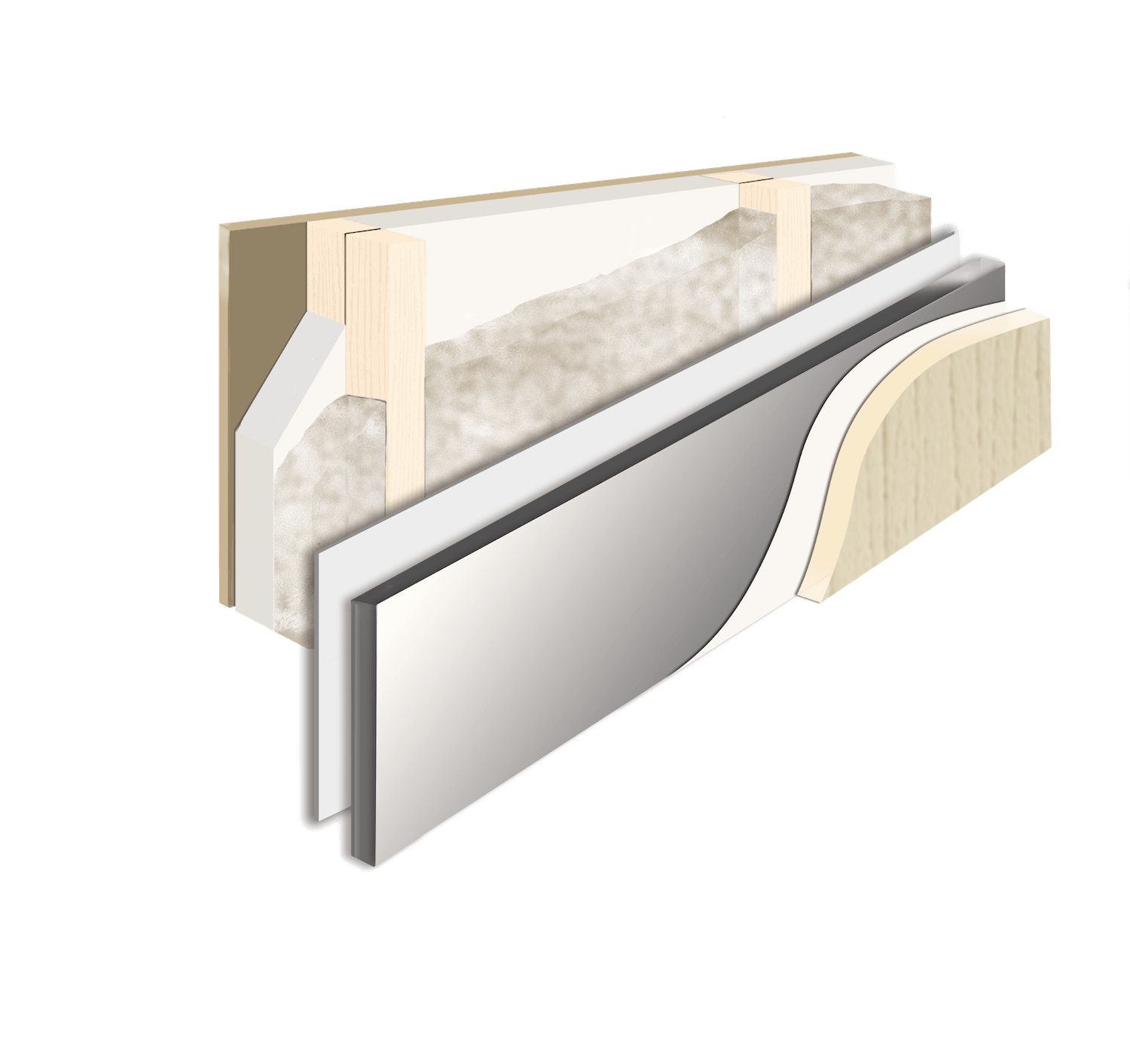
To do it properly, we typically:
- Remove the existing wall covering
- Expose the home’s stud structure
- Check for damaged timbers, missing insulation, and any hidden issues
- Install a cavity wall insulation system in a way that allows the home to ventilate correctly
Why this matters: if you insulate over rotten material or moisture, you can trap damp inside the structure. Over time, that can show up internally as black mould or damp patches.
2) Underfloor insulation (how to do it properly)
Underfloor insulation can be a game-changer for comfort, especially if you have cold floors or draughts.
Our preferred approach is:
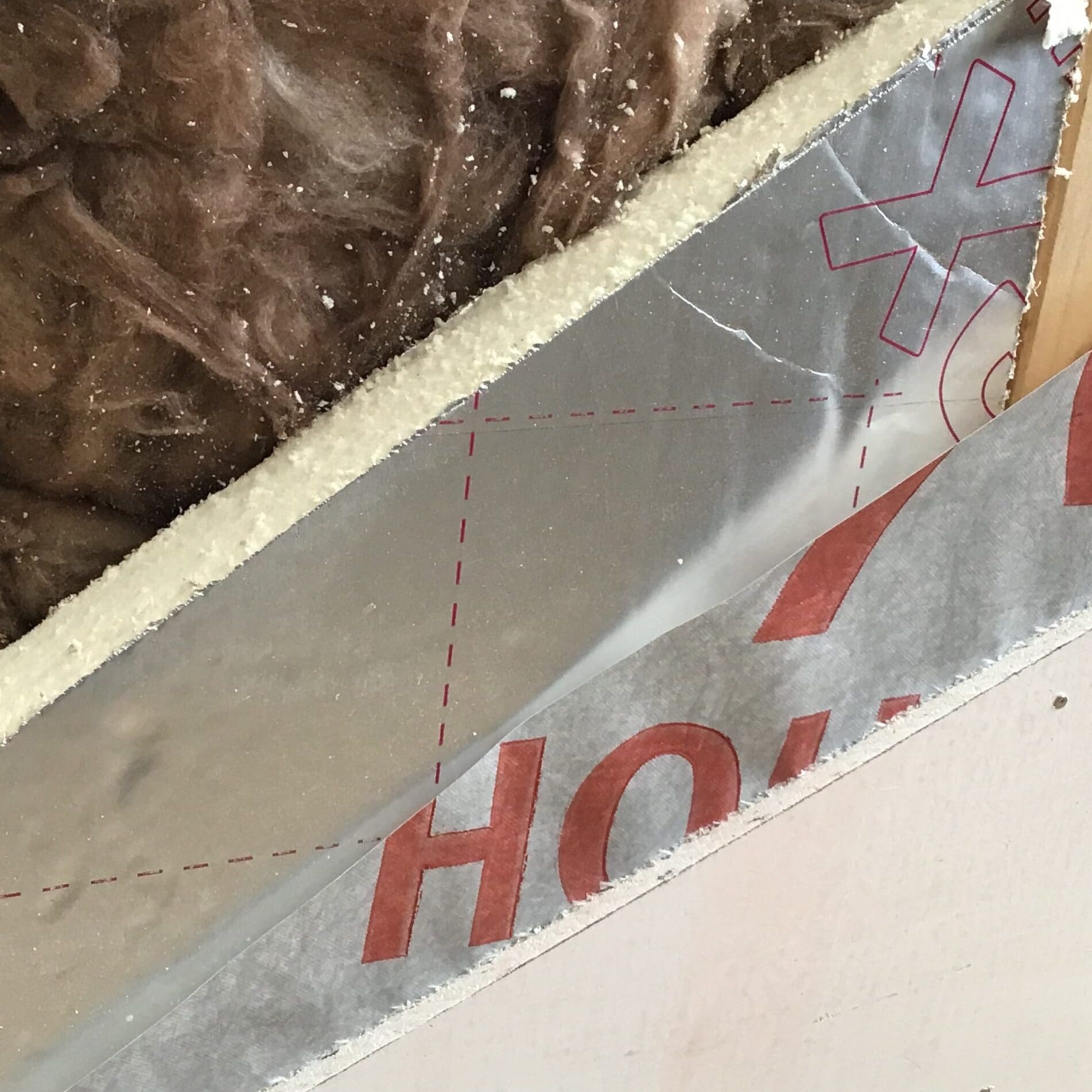
- Use a solid core rigid insulation board (for example, Celotex)
- Fix it securely by bolting it to the underside
- Seal it with a rodent-repellent foam to remove gaps and draughts
This method is designed to be durable and tight-fitting.
What we don’t recommend: insulation “blankets”
We don’t recommend underfloor insulation “blankets” for park homes.
They’re commonly:
- Stapled on
- Have taped joints
In real-world conditions those fixings and taped joints often fail, and the blankets can fall off, leaving gaps, draughts and wasted spend.
If you want a deeper dive on the floor side specifically, see: Park Home Underfloor Insulation.
3) Roof insulation (often best paired with a roof upgrade)
Roof insulation can help, but it needs careful handling.
In many cases, roof insulation is best fitted alongside a full roof upgrade, because insulation can create (or lead to) condensation issues if the roof build-up and ventilation aren’t right.
If you’re considering roof insulation, it’s worth treating it as a system:
- the roof covering
- ventilation
- insulation
- moisture control
Done together, it’s a clean, long-term solution.
The biggest risk when insulating an existing park home: trapped moisture
If there’s one thing to understand about insulating an existing park home, it’s this:
Insulation should improve the home’s environment, not seal problems into the structure.
That’s why we remove wall coverings to expose the studwork before installing a new insulation system. It allows the home to ventilate and it reveals what’s really going on behind the surface.
If you skip that step, you can end up trapping:
- rotten material
- missing/failed insulation
- moisture
And that’s when you see the classic symptoms later:
- “sweating” walls
- damp patches
- black mould
- a home that feels worse, not better
Example… when “a new roof” wasn’t the real problem
A customer contacted us because they wanted a new roof, they had water leaks running down their internal walls.
When we surveyed the home, we found the bigger issue wasn’t the roof at all.
The home had a very poor cavity wall insulation install. It was incorrect for the home and it was causing the home to “sweat” (condensation build-up).
We:
- Stripped the home back to the original timbers
- Installed our cavity wall insulation in a way that allowed the home to ventilate correctly
- Confirmed the roof was fine
The change in the home’s environment was immediate: dry, warm, and it looked like new, and the customer was delighted.
Why correct installation matters (and why you can over-insulate)
Even the best insulation materials can cause problems if the installation does not suit the structure of the home.
If a park home is insulated without considering ventilation and moisture movement, it can lead to trapped humidity. Over time, that can cause the home to “sweat” internally and create damp issues that were not there before.
This is why we recommend an assessment that looks at:
- The existing wall build-up and condition
- Ventilation routes and airflow
- Any existing signs of condensation or damp
- What has already been installed previously
Frequently Asked Questions About the Best Insulation for Park Homes
Can you insulate an older park home?
In many cases, yes. Older homes often benefit most from a proper assessment first, and underfloor insulation is commonly more relevant for homes around 20+ years.
What’s the best insulation upgrade to start with?
Often it’s wall insulation first, because it can deliver a strong improvement, but it depends on the home’s age, condition and the problem you’re trying to solve.
Can insulation cause condensation?
It can if it’s installed in a way that traps moisture or reduces ventilation. That’s why it’s important to expose the structure, check condition, and install an insulation system that supports correct ventilation.
Is underfloor insulation worth it?
If you have cold floors or draughts, underfloor insulation can make a big difference, especially when installed using rigid board and properly sealed to prevent gaps.
Do I need roof upgrades to add roof insulation?
Not always, but roof insulation is often best done alongside a roof upgrade to avoid condensation issues and make sure the whole roof system works properly.
Next step: get the right recommendation for your home
If you’re considering insulating an existing park home, the best next step is a quick assessment.
To help us advise accurately, it’s useful to know:
- the age of the park home
- any known issues (cold, damp, mould, high bills)
- the home’s condition (if you’re aware of any)
- photos of external walls / underside access (if possible)
If you’d like to discuss options, request a callback and we’ll point you in the right direction.