What is Park Home Cladding?
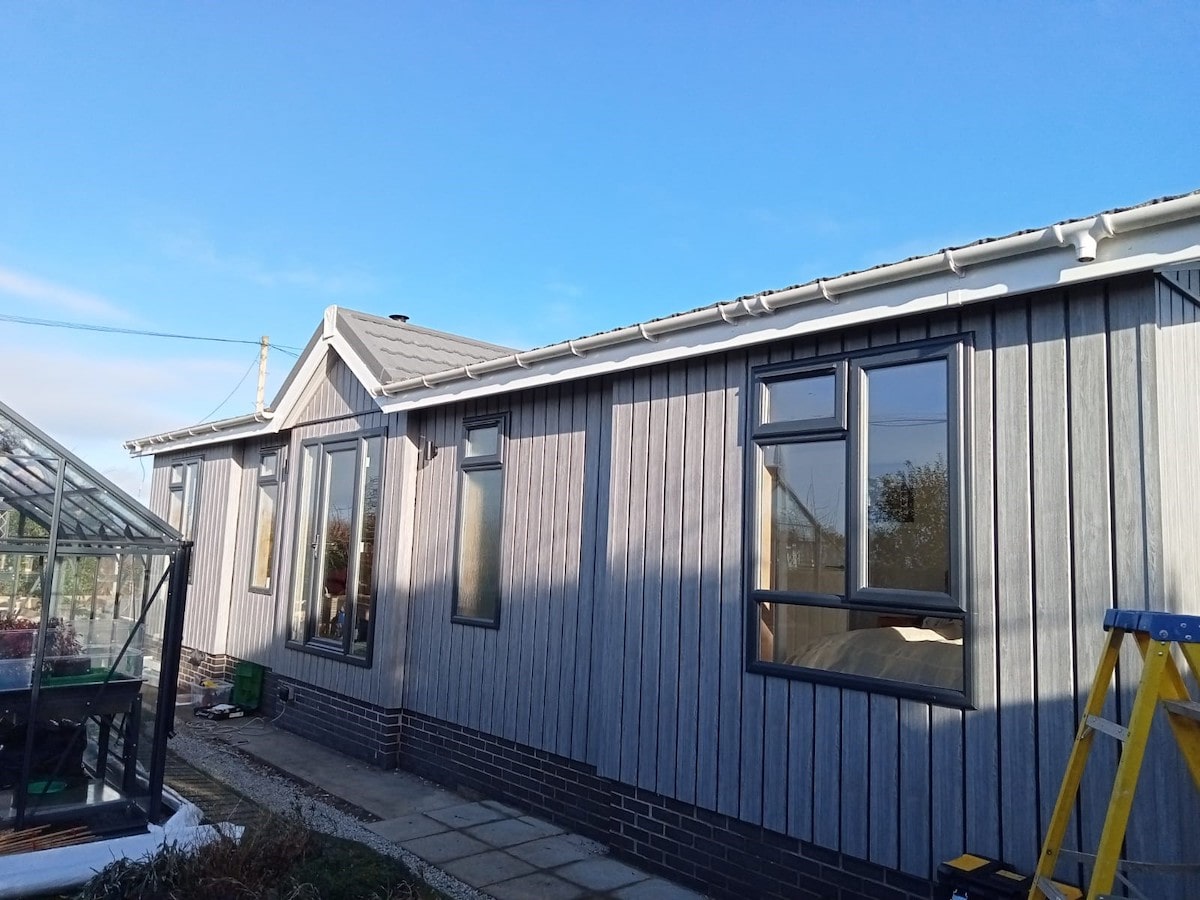
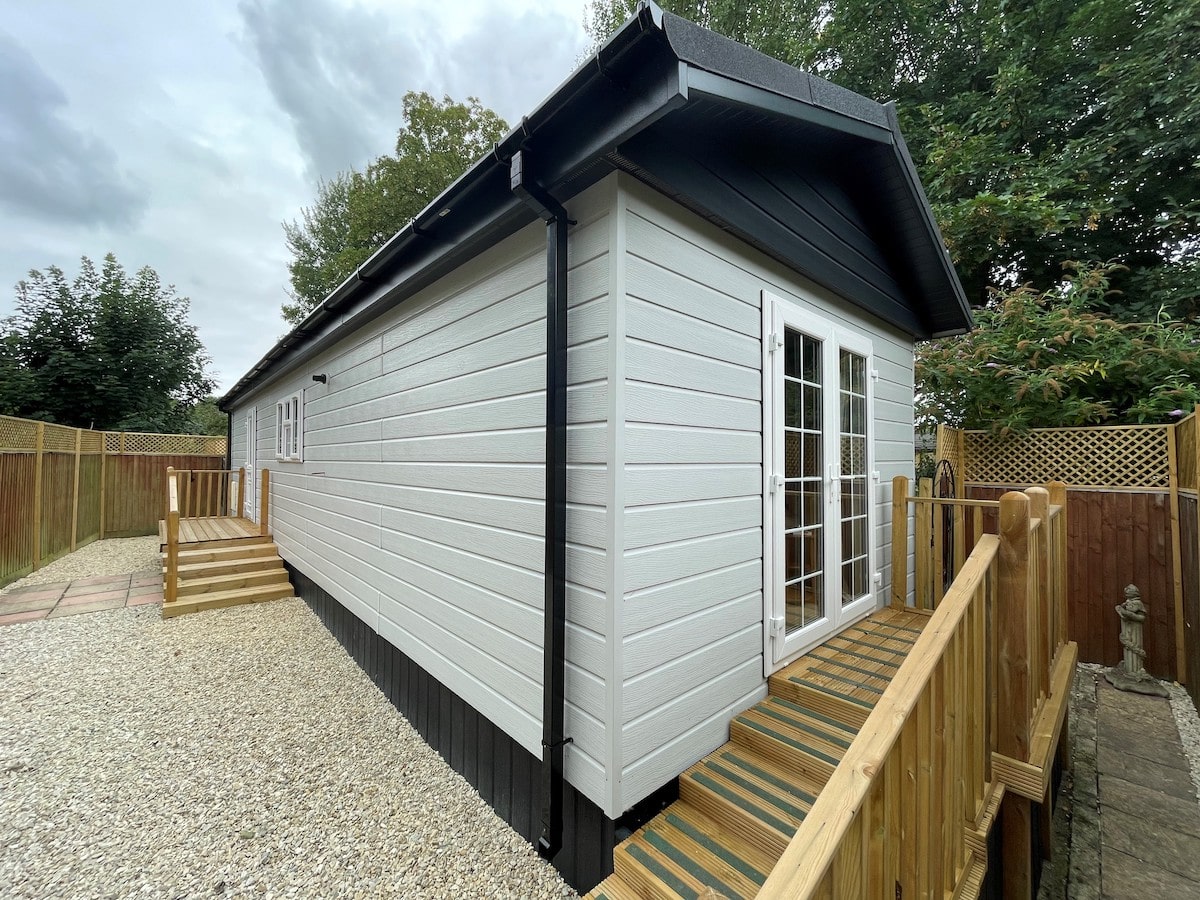
Park home cladding refers to the external layer that’s fitted to the outside of a park home. This layer serves both a protective and decorative function, shielding the structure from the elements while giving it a fresh, modern look. Unlike traditional brick-and-mortar homes, park homes often have lightweight frames, making them more susceptible to temperature fluctuations and weather damage. Cladding is specifically designed to address these vulnerabilities.
Park home cladding is rapidly becoming one of the most popular upgrades for park homeowners across the UK. Whether you’re looking to cut down on energy bills, modernise your home’s appearance, or increase its overall value, cladding offers a practical and stylish solution. In this comprehensive guide, we’ll explore exactly how park home cladding can transform your property, focusing on the key benefits of energy efficiency and enhanced value. We’ll also cover the different types of cladding available, practical installation tips, and what you need to know before starting your project.
Common Materials Used for Park Home Cladding
- uPVC Cladding: Durable, low-maintenance, and available in a wide range of colours and finishes. uPVC is one of the most popular choices for park home owners seeking a cost-effective solution.
- Timber Cladding: Offers a natural, traditional appearance. Timber requires regular maintenance but can add significant character and warmth to your park home.
- Composite Cladding: Made from a blend of wood fibres and plastic, composite cladding combines the best of both worlds, natural looks with enhanced durability and minimal upkeep.
- Aluminium Cladding: Lightweight, rust-resistant, and highly durable. Aluminium is ideal for homeowners prioritising longevity and a sleek, contemporary look.
Why Cladding Matters for Park Homes
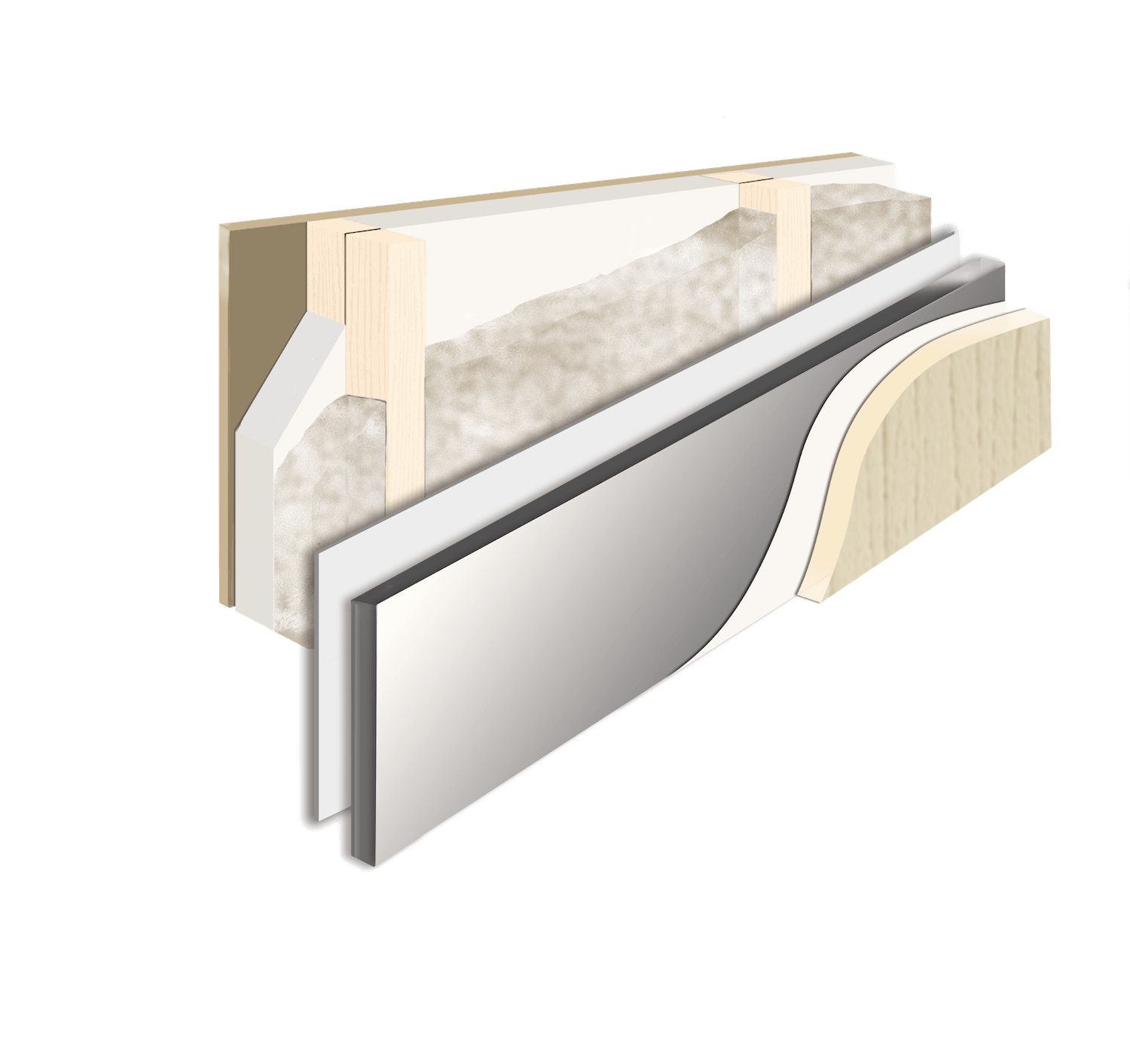
Park homes typically have less insulation than standard houses. Cladding acts as a crucial barrier, helping to regulate internal temperatures and protect against wind, rain, and damp. This not only improves the comfort of your home but can also extend its lifespan and reduce ongoing maintenance costs.
How Park Home Cladding Increases Property Value
Upgrading your park home with quality cladding can be a great way to boost its value, as long as it’s done properly. The old exterior boards need to come off first so air can flow behind the new cladding. If this step is skipped, moisture can build up, leading to problems like mould and rot, which can actually reduce your home’s value.
. Here’s why:
- Modern Curb Appeal: First impressions matter in property sales. New cladding instantly updates the look of your home, making it more attractive to potential buyers. Clean lines, fresh colours, and contemporary finishes can make your park home stand out in any park community.
- Long-Term Durability: Cladding acts as a shield against the elements. By protecting your home from damp, rot, and UV damage, you’re preserving its structural integrity and reducing the likelihood of expensive repairs. This longevity is a major selling point for buyers looking for a low-maintenance investment.
- Energy Efficiency as a Selling Point: With energy prices on the rise, buyers are increasingly looking for homes that are economical to run. Park homes with high-quality cladding and insulation are perceived as more valuable because they offer lower ongoing energy costs.
- Market Demand: There’s a growing trend among homebuyers to prioritise eco-friendly and energy-efficient features. By investing in park home cladding, you’re aligning your property with current market preferences, which can help you achieve a quicker sale and a higher asking price.
Park Home Cladding Regulations and Planning Permission
Before starting your cladding project, it’s essential to understand the regulations and permissions that may apply:
- Park Rules: Many park sites have their own guidelines about what changes can be made to the exterior of park homes. Always consult your park manager or residents’ association first.
- Local Authority Requirements: Depending on your location, you may need planning permission, especially if the cladding will alter the appearance or dimensions of your home. Check with your local council before any work begins.
- Building Standards: Ensure that any cladding work complies with current building regulations for fire safety, insulation, and structural integrity.
- Approved Installers: Some parks and councils require that you use approved or accredited installers. This helps guarantee quality and compliance with safety standards.
FAQs
How long does park home cladding last?
Most modern park home cladding materials last 20-30 years with minimal maintenance.
Can I install cladding myself?
While some DIY enthusiasts take on cladding projects, professional installation is recommended to ensure proper weatherproofing, insulation, and compliance with regulations.
Will new cladding increase my energy efficiency?
Absolutely. Quality cladding significantly reduces heat loss and can lower energy bills by up to 20%.
What maintenance is required?
uPVC and composite cladding require little more than an occasional wash. Timber cladding may need periodic sealing or painting.
Next Steps
Investing in park home cladding is a smart choice for homeowners who want to improve energy efficiency, reduce maintenance, and increase property value. By selecting the right materials and working with a reputable installer, you’ll enjoy a warmer, more attractive home for years to come.
If you’re considering park home cladding, start by researching materials, getting quotes from experienced installers, and checking your park’s guidelines. With the right approach, you’ll soon see the benefits reflected in your comfort, bills, and home’s market value.